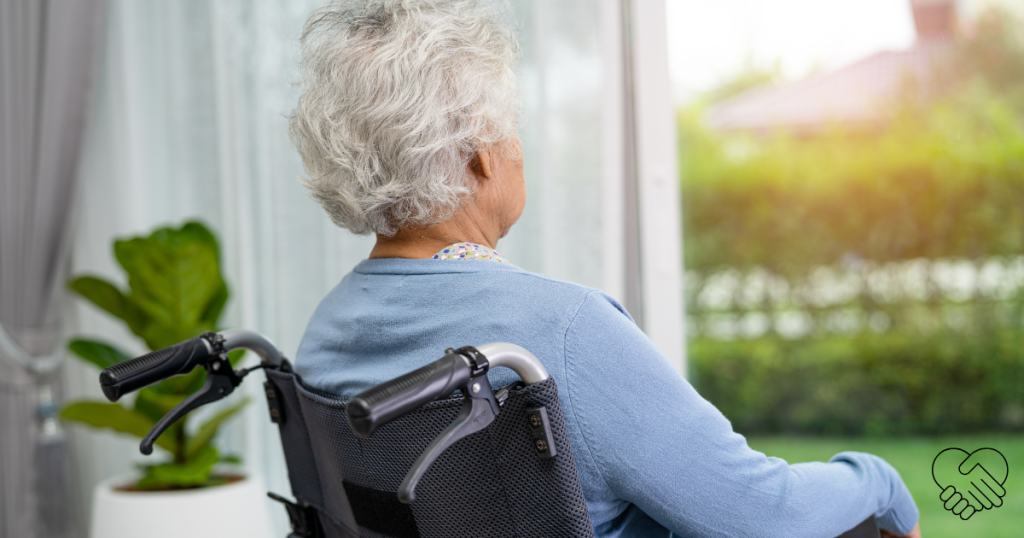
Caring for a loved one with dementia is one of the most significant emotional and physical challenges a family can face. By 2026, technology has thankfully reached a level where “remote monitoring” no longer means restriction or constant camera surveillance. Instead, it acts as an invisible safety net that preserves the dignity of someone with dementia while lifting the burden of constant worry from the shoulders of family caregivers.
Here are the most important global trends and solutions currently leading the way in English-speaking countries, such as the US, the UK, and Australia.
1. AI-Powered “Invisible” Home Sensors
The most significant breakthrough has come from what is known as ambient sensing.
- How it works: Tiny sensors mounted on the wall—using radar or Wi-Fi-based technology (such as Vayyar Care)—monitor movement without the need for cameras.
- Why it helps: It preserves privacy even in the bathroom. The system recognizes if your loved one with dementia has fallen, but it also flags changes in their routine. For instance, if they are getting up more often at night or visiting the kitchen less frequently, it can signal an early infection or a decline in their condition.
2. Wearables: More Than Just a GPS Watch
In the past, GPS watches often ran out of battery quickly, or someone with dementia might simply take them off. The 2026 models (such as the latest AngelSense or specialized medical smartwatches) are much more discreet.
- Geofencing (Virtual Boundaries): If your loved one with dementia leaves a safe zone (like the garden or the street), you receive an immediate alert on your phone.
- Two-Way Communication: Many devices feature “auto-answer” speakers. This allows you to speak to someone with dementia even if they no longer know how to operate a phone.
3. Smart Home Integration and Predictive Analytics
Platforms like Casana in the US or various smart home solutions popular in the UK market are now focusing on prevention.
- Smart Mattresses and Toilet Seats: These can measure heart rate, blood pressure, and hydration levels without your loved one with dementia having to do anything at all.
- Automation: A smart home can turn off the stove if it is left on, or use soft pathway lighting at night to guide someone with dementia to the bathroom, helping to prevent falls and disorientation.
4. Remote Presence and Social Robotics
Loneliness is one of the fastest-accelerating factors in the progression of dementia. Across the English-speaking world, telepresence robots and AI assistants are becoming increasingly common.
- Digital Companions: Devices like ElliQ proactively start conversations, remind your loved one with dementia to take their medication, or play a cherished family video if the system detects that they are feeling anxious.
- Virtual Visits: Doctors and caregivers can check in via video link, reducing the need for stressful trips to a clinic.
What to Consider When Choosing a Solution
When selecting the right technology, there are three main factors to keep in mind:
- The Current Stage: What stage of dementia is your loved one in? In the early stages, a smartwatch might be enough; in later stages, wall-mounted sensors are often safer.
- Ethics and Consent: It is vital that your loved one with dementia is aware of these supportive technologies as long as their condition allows. The goal is assistance, not surveillance.
- Data Security: Always choose a provider that guarantees the encryption of health data.
In 2026, remote monitoring is no longer about “spying.” It is about ensuring that someone with dementia can stay safe in their own familiar home for as long as possible. These solutions do not replace human touch and care, but they provide the peace of mind that allows family members to live their own lives more fully alongside their caregiving duties.
Guardians of Memory: AI Dementia Screening Tools in 2026 – Dementia in Practice
Important Disclaimer
The information and advice presented on this website and in this article are for informational purposes only. They do not constitute a medical diagnosis or individual therapeutic recommendations. The operator/author of the website assumes no liability for any direct or indirect damages, health issues, or misunderstandings resulting from the use of this information. Everyone applies the described methods at their own risk. Please consult your physician before making any lifestyle changes or applying any complementary therapies.
About the Author
Suzanne Sandwiese – Dementia Caregiver, Mental Health Assistant
I have more than 12 years of practical experience in caring for elderly people and patients living with dementia. My goal is to translate knowledge about dementia into understandable, practical advice that can be applied in daily life, thereby helping families live together with the disease. As the author of several professional books and the founder of a popular Facebook page, my mission is to provide clear and, above all, usable guidance to all those who care for loved ones living with dementia.
My books – Dementia in practice
Looking for practical, hands-on guidance for caring for a loved one with dementia at home? This comprehensive guide offers real-world advice and strategies to help you navigate everyday caregiving with confidence.
Struggling with stress-free bathing, hair washing, or nail care for a person with dementia? Discover practical, empathetic techniques to turn daily hygiene routines into calm and dignified experiences.
Managing incontinence in dementia care can feel overwhelming, but the right approach makes all the difference. Learn practical, experience-based steps to maintain dignity, comfort, and routine at home.
Agitation and aggressive behaviors in dementia are often cries for help rather than intentional actions. Discover practical, practical-proven techniques to de-escalate difficult situations and create a peaceful environment.
Apathy, anxiety, and mood changes are among the hardest non-verbal symptoms of dementia to navigate. This practical guide helps you understand these emotional challenges and offers actionable steps to support your loved one.