
By 2026, the fight against dementia has reached a critical turning point. Modern medicine no longer simply reacts to symptoms; through AI-powered early detection, risks can be identified years before a formal diagnosis. While screening was once a lengthy and expensive process, today’s technology has made prevention more accessible than ever.
Here are the evidence-based, clinically validated technologies revolutionizing screening in 2026.
1. Speech Analysis: Our Voice as a Digital Biomarker
A major breakthrough in 2026 is machine learning-based voice and speech analysis. Recent studies have confirmed that AI can identify mild cognitive impairment with 75-93% accuracy based solely on speech patterns.
- How it works: Algorithms monitor not just what we say, but how we say it. They analyze subtle changes in pitch, the duration of pauses, and the complexity of vocabulary.
- The Evidence: These systems detect subtle hesitations imperceptible to the human ear, which serve as early indicators of neurological changes.
2. Intelligent Eye-Tracking
By 2026, eye movement analysis has become one of the most reliable non-invasive screening tools. Clinical data shows that specific eye movement patterns (such as antisaccade tasks) are now more accurate indicators of cognitive state than many traditional blood-based biomarkers.
- Real-world application: During a brief tablet-based visual test, AI records the speed and precision of eye tracking.
- The Proof: Research demonstrates that coordination in eye movements changes in the earliest stages of Alzheimer’s, often when traditional memory tests still show “normal” results.
3. FDA-Approved AI Imaging Software
In early 2026, the FDA granted clearance to a new generation of AI-driven diagnostic software. These programs analyze MRI and PET scans with a level of precision that exceeds human visual capability.
- Why it matters: The AI automatically calculates the volume of specific brain regions, such as the hippocampus. If the algorithm detects atrophy or abnormal protein accumulation, it immediately alerts the physician, enabling personalized preventative therapy.
4. Wearables and the “Digital Phenotype”
Smartwatches and rings in 2026 do more than count steps. Using AI, these devices continuously monitor sleep quality, gait rhythm, and subtle shifts in daily routines.
- Realistic Results: If an individual begins to deviate from routine tasks or exhibits changes in balance and walking speed, the AI creates a “digital fingerprint” of the change and recommends a professional medical consultation.
Why This Matters Now
2026 has introduced new disease-modifying therapies that can significantly slow progression, but they are only effective when applied early. AI screening tools do not replace doctors; they act as “early warning systems” that provide the chance for timely intervention and long-term preservation of quality of life.
Important Note: While these technologies are highly accurate, a final diagnosis must always be made by a specialist (neurologist or psychiatrist) through the combined analysis of digital data and clinical examinations.
Remote Monitoring for Dementia: A New Balance of Freedom and Safety in 2026 – Dementia in Practice
Important Disclaimer
The information and advice presented on this website and in this article are for informational purposes only. They do not constitute a medical diagnosis or individual therapeutic recommendations. The operator/author of the website assumes no liability for any direct or indirect damages, health issues, or misunderstandings resulting from the use of this information. Everyone applies the described methods at their own risk. Please consult your physician before making any lifestyle changes or applying any complementary therapies.
About the Author
Suzanne Sandwiese – Dementia Caregiver, Mental Health Assistant
I have more than 12 years of practical experience in caring for elderly people and patients living with dementia. My goal is to translate knowledge about dementia into understandable, practical advice that can be applied in daily life, thereby helping families live together with the disease. As the author of several professional books and the founder of a popular Facebook page, my mission is to provide clear and, above all, usable guidance to all those who care for loved ones living with dementia.
Looking for practical, hands-on guidance for caring for a loved one with dementia at home? This comprehensive guide offers real-world advice and strategies to help you navigate everyday caregiving with confidence.
Struggling with stress-free bathing, hair washing, or nail care for a person with dementia? Discover practical, empathetic techniques to turn daily hygiene routines into calm and dignified experiences.
Managing incontinence in dementia care can feel overwhelming, but the right approach makes all the difference. Learn practical, experience-based steps to maintain dignity, comfort, and routine at home.
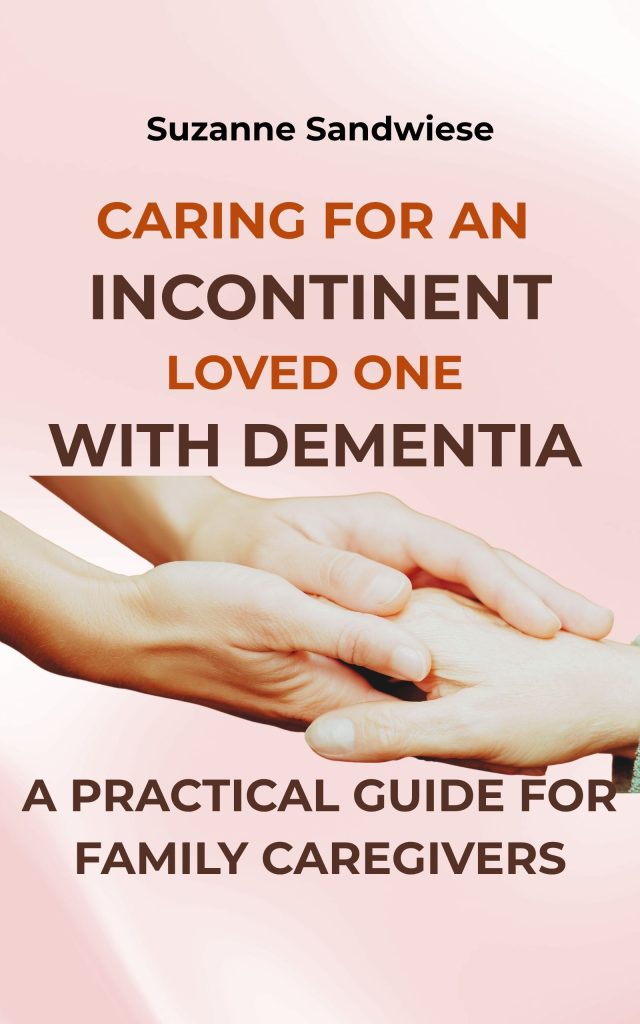
Agitation and aggressive behaviors in dementia are often cries for help rather than intentional actions. Discover practical, practical-proven techniques to de-escalate difficult situations and create a peaceful environment.
Apathy, anxiety, and mood changes are among the hardest non-verbal symptoms of dementia to navigate. This practical guide helps you understand these emotional challenges and offers actionable steps to support your loved one.