When it comes to dementia, many people think there isn’t much left to do. However, this isn’t entirely true. With the right help, certain abilities can be preserved or even improved, especially if intervention happens in time.
Cognitive training refers to activities that help “maintain” the brain. These sessions focus on memory, attention, and speaking skills.
Perhaps one of the most important things to remember is that the earlier the development starts, the more help it can provide. If dementia is already in an advanced stage, it is harder to achieve results. That’s why it is worth turning to a professional at the first signs.
Dementia is often accompanied by anxiety or even depression. In these cases, psychotherapy can also be a great help. Through conversations, tension can decrease, the situation can become easier to process, and overall well-being can improve.
How Does Cognitive Therapy Help?
For someone with dementia, one of the most important goals of cognitive therapy is to preserve mental abilities for as long as possible and improve the quality of life. These methods do not cure the illness, but they can significantly help make everyday life easier for both you and your loved one with dementia.
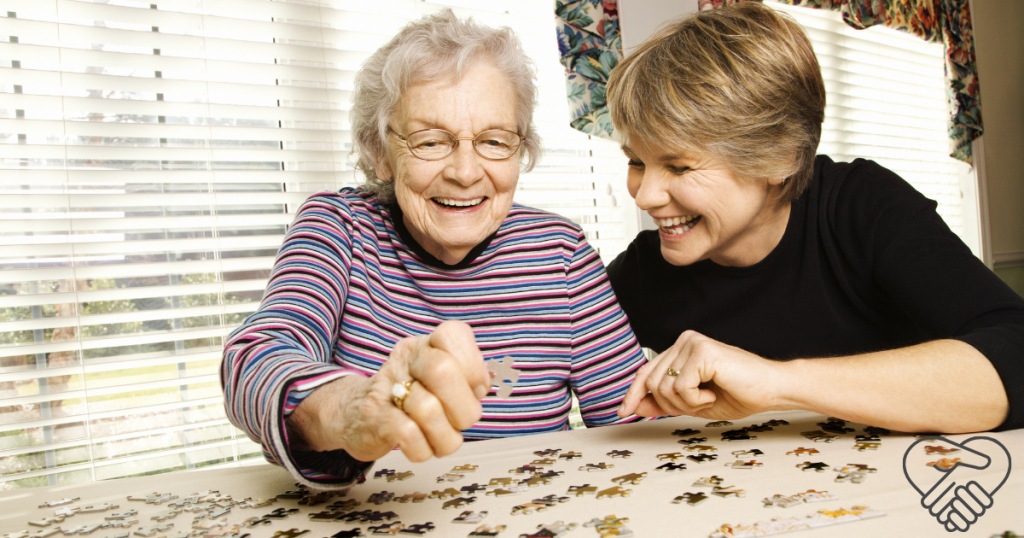
For example, cognitive training tries to keep the brain “in shape” through various tasks and playful exercises. During these activities, memory, attention, and even speaking skills are activated. This can help your loved one stay independent for longer.
A simple conversation, recalling old memories, or telling stories together can all help someone with dementia connect to their past and their environment. Memories that trigger positive feelings are especially important, as they can increase a sense of satisfaction and security.
Reality Orientation Training helps ensure that your loved one doesn’t lose touch with reality completely. In this case, the environment constantly “reminds” them of where they are, what day it is, and who is around them. This can reduce confusion and anxiety.
The effects of cognitive therapy:
- They can slow down mental decline.
- They can help maintain daily activities.
- They can improve mood and quality of life.
- They can strengthen the bond between the family and their loved one.
What Does Cognitive Training Mean in Practice?
Training usually doesn’t consist of dry tasks; instead, it takes place in a playful form. It’s a bit like playing simple games.
The goal isn’t for someone with dementia to learn entirely new things, but rather for previously existing skills to “surface” again and to maintain current abilities. These exercises don’t just help with memory, but also with movement and perception.
For example:
- Recognizing colors or shapes based on pictures: For instance, you show a picture of fruits and ask your loved one to say which is red or which is yellow. Or they might need to recognize and name different shapes like circles, squares, or triangles.
- Drawing or painting: You might ask them to draw a simple object, like a house or a tree. When painting, they can even color in a pre-drawn picture. This isn’t about creating “beautiful art,” but about making hand movement and thinking work together.
- Simple matching tasks: For example, matching picture cards: one has a picture of an apple, the other has the word “apple.” Or finding two identical pictures among several others.
Non-verbal Methods
In many cases, methods without words (non-verbal) are even more effective. These build on sight, hearing, or touch. They help ensure that communication skills do not decline further.
- Visual tasks: You show various pictures (family members, objects, animals) and ask them to point to the same thing on another picture. Or colored objects can be grouped: all the red ones in one place, all the blue ones in another.
- Hearing exercises: You play simple sounds, like a bell, rain, or birds chirping, and ask your loved one to try to identify them. Listening to familiar music also belongs here, as it evokes memories.
- Touch-based tasks: You place various objects in their hand (e.g., a soft cloth, a key, a ball), and they have to guess what it is, even with their eyes closed. Or they can distinguish between materials: what is smooth, what is rough, or what is soft.
Speech-based Tasks
Of course, tasks based on speech are also important. These include:
- Word chain games: For example, you say a word: “apple,” and the next word starts with the last letter: “egg,” then “garden,” and so on. If this is too difficult, you can link it to a theme, like playing only with animal names or types of food.
- Completing proverbs: The therapist (or you) starts the sentence, and your loved one finishes it. For example:
- “A stitch in time…” → “…saves nine.”
- “Actions speak louder…” → “…than words.”
This helps bring back old, well-known memories.
- Simple riddles: Ask short, easy-to-guess questions, such as:
- “What falls in winter but never gets hurt?” (Answer: snow)
- “What has keys but can’t open locks?” (Answer: a piano)
Making Everyday Life Easier
Different therapies also help someone with dementia manage better in their daily routine.
- Solving simpler tasks: For example, you can ask your loved one to help with a very simple activity: setting the table (placing spoons, forks, plates), matching socks, or putting a few items back in their place. These small tasks provide a sense of achievement and help maintain a feeling of independence.
- Establishing daily habits: The day needs to pass roughly the same way every day. For example, the same steps are always followed in the morning: dressing, breakfast, a short walk. Lunch and evening preparations should also be predictable. This provides a sense of security and reduces confusion.
- Providing “anchors” (e.g., repeating dates, places, names): For example, when you enter the room, introduce yourself: “Good morning, I’m Anna, your daughter.” Occasionally mention that “today is Monday, it’s morning, and we are at home.” A clearly visible wall calendar or a board where the date and daily schedule are written can also help. In other words, the environment constantly reminds your loved one of where they are, what day it is, and who is around them.
The Power of Community
The role of social experiences should not be underestimated either, as they can help:
- Reduce the feeling of isolation.
- Increase the sense of security.
- Improve the quality of life.
Consistent Care
Dementia does not mean that help is impossible. While there is no complete cure, many methods exist to keep the condition of your loved one with dementia more stable and make daily life easier. What is very important: start on time, engage with them regularly, and consult the right professional.
This article is part of our Non-Drug Therapies for Dementia: Solutions for Anxiety, Agitation, and Sleep Issues – Dementia in Practice collection.
Music Therapy for Dementia: How Music Improves Memory and Mood – Dementia in Practice
Dementia and Sleep Disorders: How Light Therapy Helps Achieve Quieter Nights – Dementia in Practice
Important Disclaimer
The information and advice presented on this website and in this article are for informational purposes only. They do not constitute a medical diagnosis or individual therapeutic recommendations. The operator/author of the website assumes no liability for any direct or indirect damages, health issues, or misunderstandings resulting from the use of this information. Everyone applies the described methods at their own risk. Please consult your physician before making any lifestyle changes or applying any complementary therapies.
About the Author
Suzanne Sandwiese – Dementia Caregiver, Mental Health Assistant
I have more than 12 years of practical experience in caring for elderly people and patients living with dementia. My goal is to translate knowledge about dementia into understandable, practical advice that can be applied in daily life, thereby helping families live together with the disease. As the author of several professional books and the founder of a popular Facebook page, my mission is to provide clear and, above all, usable guidance to all those who care for loved ones living with dementia.
Looking for practical, hands-on guidance for caring for a loved one with dementia at home? This comprehensive guide offers real-world advice and strategies to help you navigate everyday caregiving with confidence.
Struggling with stress-free bathing, hair washing, or nail care for a person with dementia? Discover practical, empathetic techniques to turn daily hygiene routines into calm and dignified experiences.
Managing incontinence in dementia care can feel overwhelming, but the right approach makes all the difference. Learn practical, experience-based steps to maintain dignity, comfort, and routine at home.
Agitation and aggressive behaviors in dementia are often cries for help rather than intentional actions. Discover practical, practical-proven techniques to de-escalate difficult situations and create a peaceful environment.
Apathy, anxiety, and mood changes are among the hardest non-verbal symptoms of dementia to navigate. This practical guide helps you understand these emotional challenges and offers actionable steps to support your loved one.