
When caregiving becomes too much: signs of burnout
Caregiver burnout is much more common than many people think, especially among those looking after a loved one with dementia. Recognizing the early signs is crucial, not only for your own well-being but also for the quality of care you provide to your family member.
What is caregiver burnout in dementia care?
Caregiver burnout is a state of constant physical, emotional, and mental exhaustion caused by prolonged stress. Caregiving tasks place an ever-increasing burden on you, while your personal time, rest, and support decrease.
Unlike short-term stress, burnout doesn’t go away with one good night’s sleep. It builds up over time and can affect every area of your life.
What happens to you during this time?
Burnout doesn’t appear overnight. Instead, it’s a slow process where everything changes almost unnoticed.
At first, you might still be full of strength and determination. You feel like you can handle anything for the sake of your loved one with dementia. Then, over time, the burden grows, feedback becomes rarer, and meanwhile, your own life is pushed almost entirely into the background.
At some point, you may notice that you are no longer as patient, every day seems equally difficult, and you find less and less joy in life.
What signs should you watch for?
Burnout is not just a mental state—it has physical and behavioral signs as well.
Physical symptoms of burnout
It’s very possible that your body will start “speaking” to you first, often long before you become consciously aware of it emotionally. These signs may seem small at first, but they are worth taking seriously.
In the beginning, a strange, constant fatigue often appears. It’s not the usual exhaustion that goes away after a hard day, but something deeper and more stubborn that remains even after resting. You find it harder to fall asleep, or you wake up several times during the night, getting up in the morning feeling as if you haven’t rested at all. Meanwhile, you also notice that it’s harder for you to pay attention or concentrate.
Headaches are common, especially those tight, tension-type ones. Your neck, shoulders, or back are constantly tense, as if you can’t truly relax. Many caregivers also report that even their jaw is constantly clenched.
It’s not uncommon for your digestion to change as well. Bloating, heartburn, or abdominal discomfort may appear, which often aren’t caused by a specific illness but by the effects of prolonged nervous strain. In these cases, the body simply functions differently because it is in a constant state of alertness.
Long-term exhaustion can also weaken your immune system. You get sick more often, catch infections more easily, and recover from them more slowly. It may also happen that after a minor illness, it is harder to regain your previous energy levels.
Emotional symptoms
Emotional exhaustion often develops quietly and only becomes truly visible when your reserves are almost completely depleted.
At this point, you feel like you simply have nothing left to give. It’s as if you’ve become empty inside. You get up in the morning and are already tired before the day has even truly begun. You feel emptiness and hopelessness. Not because you don’t want to do your job, but because you no longer have any strength to draw from.
Alongside this, tension and irritability often appear. Situations that might not have affected you before can now upset you. A repeated question, a difficult moment during care, or even a minor hiccup can easily throw you off your emotional balance and peace. You are less patient with someone with dementia, and you often feel guilty because of this.
You can feel the impact of this in your relationships, too. You react more harshly, misunderstand comments more quickly, or become more sensitive to criticism. You feel that no one truly understands what you are going through. This sense of isolation can further increase your exhaustion.
You no longer approach everyday life with the same inner strength as before. Things that used to be natural are now much harder—for example, paying attention, being patient, or trying to find solutions.
In the mornings, it’s hard to start even the simplest tasks because that inner drive and motivation that kept you going is missing. The days become more about “just getting through somehow,” and it takes a great effort just to do the bare minimum.
The things that used to recharge you also get pushed aside. You are less interested in relaxation, exercise, or your favorite hobbies.
Behavioral signs
A kind of detachment also appears. It’s as if you are trying to “switch off” your feelings a bit to make the daily grind easier to bear. This is a natural defense, but meanwhile, it becomes harder to connect with others, including your loved one with dementia.
You reach out to others less often and have less desire to meet or talk. After a while, you tend to withdraw. However, this isolation further complicates your situation, as the very relationships that could provide support become more distant.
Treatment
Treating burnout almost always begins with asking for some form of outside help. It already means a lot if there is someone you can talk to about what you are going through. A conversation with a professional helps you see more clearly what is truly draining you and what you have been carrying for too long. In many cases, it’s not just the current situation that is difficult, but older, unresolved burdens that intensify the burnout.
Finding a method that helps you stop for a moment also plays a key role in releasing constant tension. This could be a simple breathing exercise, relaxation, or any technique you can learn and build into your daily routine.
The exhaustion may be already so deep that anxiety or depression accompanies it. In such cases, it’s not worth delaying the request for help, because in certain situations, medical assistance may also be necessary.
Prevention
Prevention is perhaps an even tougher question in this life situation, as caregiving is not a “job” that you can put down at the end of the day. Yet it is very important to try to draw boundaries. Even if only for a short time, you need breaks when you are not focusing on someone with dementia, but on yourself.
Similarly, it is important not to isolate yourself completely: relationships, conversations, and even a short meeting can give back some of the energy needed for everyday life.
Home care is especially difficult
Burnout mostly affects those who bear great responsibility for others over a long period and are under constant emotional strain.
Home care is an especially difficult role because there is no “end of the workday,” it is emotionally very taxing, and you often have to cope alone while more and more tasks weigh on you.
It is important to remember that the symptoms of burnout are not “accidental,” nor are they simply a natural part of aging or everyday tiredness. Often, they are about the fact that you have been under too much pressure for too long. You also need to recharge.
Perhaps the hardest part of all this is accepting that you don’t have to solve everything alone—ask for help, whether from friends, a caregiver, or a psychologist.
Remember: you cannot pour from an empty cup. Your well-being matters just as much as your loved one’s. For more support on navigating guilt, preventing burnout, and building emotional resilience, visit our Caring for the Caregiver: A Guide to Mental Health and Emotional Resilience – Dementia in Practice Sanctuary. You are not alone in this journey.
Important Disclaimer
The information and advice presented on this website and in this article are for informational purposes only. They do not constitute a medical diagnosis or individual therapeutic recommendations. The operator/author of the website assumes no liability for any direct or indirect damages, health issues, or misunderstandings resulting from the use of this information. Everyone applies the described methods at their own risk. Please consult your physician before making any lifestyle changes or applying any complementary therapies.
About the Author
Suzanne Sandwiese – Dementia Caregiver, Mental Health Assistant
I have more than 12 years of practical experience in caring for elderly people and patients living with dementia. My goal is to translate knowledge about dementia into understandable, practical advice that can be applied in daily life, thereby helping families live together with the disease. As the author of several professional books and the founder of a popular Facebook page, my mission is to provide clear and, above all, usable guidance to all those who care for loved ones living with dementia.
My books – Dementia in practice
Looking for practical, hands-on guidance for caring for a loved one with dementia at home? This comprehensive guide offers real-world advice and strategies to help you navigate everyday caregiving with confidence.
Struggling with stress-free bathing, hair washing, or nail care for a person with dementia? Discover practical, empathetic techniques to turn daily hygiene routines into calm and dignified experiences.
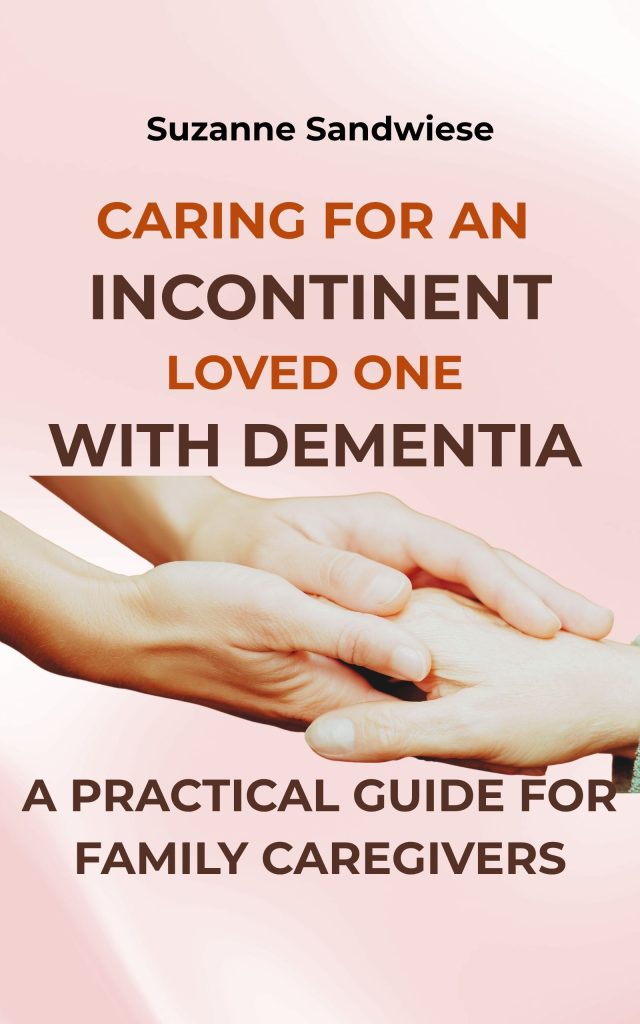
Managing incontinence in dementia care can feel overwhelming, but the right approach makes all the difference. Learn practical, experience-based steps to maintain dignity, comfort, and routine at home.
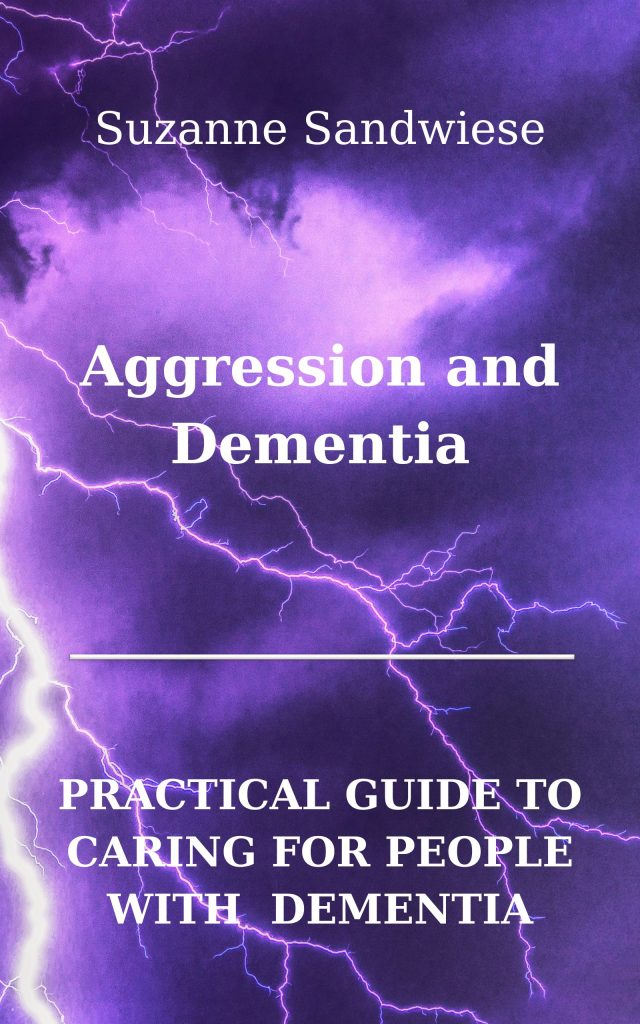
Agitation and aggressive behaviors in dementia are often cries for help rather than intentional actions. Discover practical, practical-proven techniques to de-escalate difficult situations and create a peaceful environment.
Apathy, anxiety, and mood changes are among the hardest non-verbal symptoms of dementia to navigate. This practical guide helps you understand these emotional challenges and offers actionable steps to support your loved one.