Swallowing difficulties are a common and serious issue among people living with dementia. Although this problem often receives little attention, it represents one of the greatest challenges in daily care, especially during meals and hydration.
What Is Happening?
In someone with dementia, the brain may no longer be able to properly coordinate the muscles and reflexes needed for swallowing. Swallowing seems like an automatic action, but it is actually a highly complex process that requires fine neurological control. When this is impaired, your loved one doesn’t just struggle physically; they also become mentally uncertain when it’s time to drink.
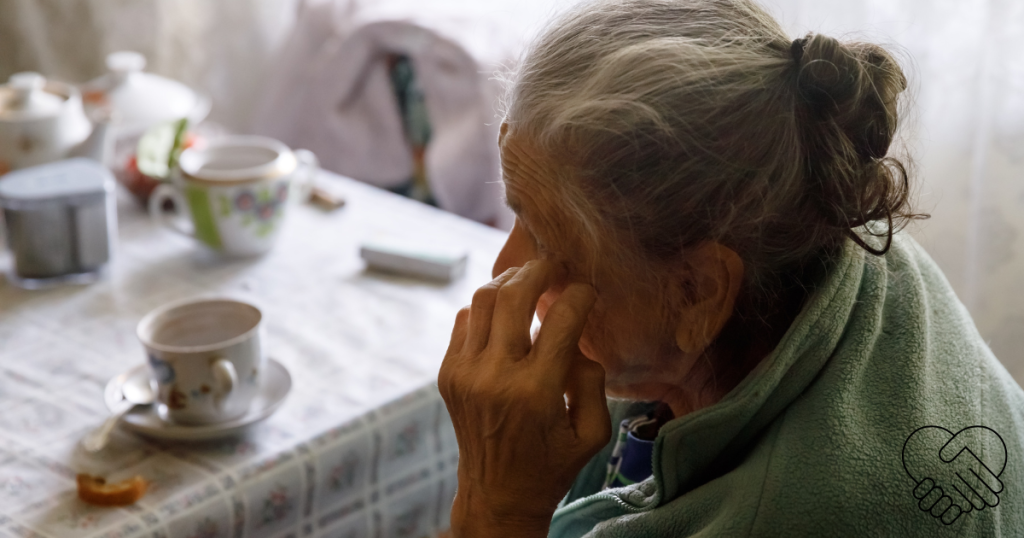
In dementia, this often shows up as the person not wanting to eat or drink, resisting, or refusing food and fluids altogether. To an outsider, this can often look like stubbornness or meaningless resistance, as if they “just don’t want to.” In reality, however, there are very real physical and emotional reasons behind it.
Your loved one often feels that swallowing isn’t working the way it used to: it feels difficult, uncertain, or perhaps even painful and scary. Sometimes they cannot swallow a bite of food or a sip of liquid, which can trigger coughing or choking. These experiences create fear: they become afraid of coughing, choking, or that feeling of food “getting stuck.”
Therefore, refusing food—and especially fluids—is often a form of self-defense. They aren’t simply being uncooperative; they are trying to avoid a situation that feels unpleasant, frightening, or even dangerous. Understanding this is crucial for caregiving, as it is the only way to help them with patience and the right methods.
Refusal as an Important Signal
It is vital to understand that when someone with dementia refuses food and drink, it isn’t just a behavioral problem; it is often an early sign of swallowing difficulty. What we see from the outside as stubbornness or a lack of cooperation is, in many cases, actually a cry for help that your loved one can no longer express with words.
This is why these situations should not be taken lightly, and it is especially important not to blame your loved one. The person living with dementia often senses that something is wrong—for example, that drinking or swallowing is difficult—but they cannot explain or put it into words exactly.
The caregiver’s task is to observe their behavior. If your loved one regularly turns their head away, won’t open their mouth, coughs, or seems visibly uncertain while drinking, it is worth considering the possibility of a swallowing disorder.
Such observations are key, as they help identify the problem in time. This way, more serious complications can be prevented, and eating and drinking can be made safer and less frightening for them.
It Doesn’t Only Occur in Dementia
It is important to highlight that swallowing difficulties do not only appear in those with dementia. It is a common symptom in many other serious conditions, such as Parkinson’s disease, multiple sclerosis, or after a stroke.
Age-Related Swallowing Difficulties
Swallowing difficulties are common not only in dementia or neurological conditions but also among older people in general. There are several interconnected reasons for this.
Dry mouth is frequently observed in the elderly: saliva production decreases, and the mucous membranes become drier, which in itself makes swallowing harder. Without enough moisture, food is more difficult to form into a swallowable mass and moves more slowly down the esophagus.
Additionally, as we age, muscles and nerves weaken. Swallowing is a very complex process involving many muscles and nerve signals; the coordination of these declines in old age, making swallowing less efficient and less safe.
A further problem can be missing teeth or poor dental health. If chewing isn’t effective, the food isn’t properly prepared for swallowing, which increases the risk of it going down the wrong way.
Many older people also experience a decreased or completely absent sense of thirst. Because of this, they don’t consume enough fluids, leading to dehydration. Dehydration further worsens saliva production and the ability to swallow, which can create a vicious cycle.
Because of all this, ensuring regular fluid intake, providing food with the right texture, and offering attentive, patient care is especially important for the elderly.
The Hidden Danger in Dementia Care: Why Your Loved One Might Stop Drinking –
Dementia and Dehydration: How to Help Your Loved One Drink More Water –
Why Are Swallowing Difficulties Dangerous?
A swallowing disorder is not just an unpleasant or hard-to-manage condition; it carries serious health risks, such as:
- Aspiration: Food or drink entering the airways.
- Choking risk: In severe cases, this can be an immediate life-threatening emergency.
- Pneumonia: Repeatedly swallowing food “the wrong way” can lead to aspiration pneumonia, which can be life-threatening, especially for elderly or weakened individuals.
What are the Symptoms of Swallowing Difficulties?
- Coughing or clearing the throat while eating or drinking.
- A “gurgling” sound when speaking or after swallowing.
- Food remains left in the mouth.
- Food getting stuck.
- Holding food in the mouth for a long time.
- Unexplained weight loss or dehydration.
What Can Be Done?
Proper care can do a lot to reduce the risks of swallowing difficulties and make eating and drinking safer. Often, even small changes make a big difference. For example, thickening liquids makes them less likely to enter the airways. For the same reason, pureed, smooth-textured foods are safer as they don’t require lengthy chewing and are easier to swallow.
The way you assist with eating and drinking is also crucial. Slow, patient, and attentive care not only helps your loved one physically but also reduces their anxiety. It is important that enough time is provided and that they do not feel rushed.
In many cases, it is worth seeking professional help. They can assess swallowing ability and provide personalized advice on what food and liquid textures are safest, and which techniques can help with swallowing.
In advanced or severe stages, it may happen that eating and drinking are no longer safe. In such cases, based on a medical decision, tube feeding may be necessary to ensure the body gets the required nutrients and fluids.
Swallowing difficulty is a serious, even life-threatening condition for someone with dementia or other neurological diseases. Early recognition and proper care are key to preventing complications like choking or pneumonia. These difficulties deserve great attention, as in many cases, small daily acts of mindfulness can literally save a life.
Managing unexpected behaviors is one of the most taxing parts of caregiving. If you found this helpful, you can find more strategies and expert insights in our Behavioral Challenges – Dementia in practice hub. Together, we can replace helplessness with intentional, empathetic reactions.
Important Disclaimer
The information and advice presented on this website and in this article are for informational purposes only. They do not constitute a medical diagnosis or individual therapeutic recommendations. The operator/author of the website assumes no liability for any direct or indirect damages, health issues, or misunderstandings resulting from the use of this information. Everyone applies the described methods at their own risk. Please consult your physician before making any lifestyle changes or applying any complementary therapies.
About the Author
Suzanne Sandwiese – Dementia Caregiver, Mental Health Assistant
I have more than 12 years of practical experience in caring for elderly people and patients living with dementia. My goal is to translate knowledge about dementia into understandable, practical advice that can be applied in daily life, thereby helping families live together with the disease. As the author of several professional books and the founder of a popular Facebook page, my mission is to provide clear and, above all, usable guidance to all those who care for loved ones living with dementia.
Looking for practical, hands-on guidance for caring for a loved one with dementia at home? This comprehensive guide offers real-world advice and strategies to help you navigate everyday caregiving with confidence.
Struggling with stress-free bathing, hair washing, or nail care for a person with dementia? Discover practical, empathetic techniques to turn daily hygiene routines into calm and dignified experiences.
Managing incontinence in dementia care can feel overwhelming, but the right approach makes all the difference. Learn practical, experience-based steps to maintain dignity, comfort, and routine at home.
Agitation and aggressive behaviors in dementia are often cries for help rather than intentional actions. Discover practical, practical-proven techniques to de-escalate difficult situations and create a peaceful environment.
Apathy, anxiety, and mood changes are among the hardest non-verbal symptoms of dementia to navigate. This practical guide helps you understand these emotional challenges and offers actionable steps to support your loved one.