When caring for a loved one with dementia, a basic yet vital factor often gets overlooked: proper fluid intake. However, regular drinking doesn’t just play a role in maintaining general health; it is specifically important for brain function and cognitive well-being.
The Role of Fluids in the Body
Water is involved in many essential physiological processes:
- Helps remove waste: Proper hydration supports kidney function, allowing the body to get rid of harmful substances more effectively.
- Contributes to maintaining normal blood pressure: A lack of fluids can lead to fluctuations in blood pressure, which is particularly dangerous in older age.
- Supports brain function: A significant part of the brain is made of water, so adequate fluid intake is essential for concentration and overall mental performance.
- May help slow cognitive decline: While dementia is not reversible, staying properly hydrated can contribute to slowing the worsening of symptoms.
- Helps dissolve and transport nutrients: Water is indispensable for the body to utilize vitamins and minerals.
- Regulates body temperature: Fluid intake helps prevent overheating, especially during the summer.
What Happens if There Isn’t Enough Fluid Intake?
Someone with dementia often forgets to drink or simply doesn’t feel thirsty. This can have serious consequences:
- Fatigue and weakness: Dehydration can quickly lead to exhaustion.
- Irritability: A lack of fluids can cause mood swings.
- Declining thinking skills: Even mild dehydration impairs concentration and decision-making.
- Dehydration: In severe cases, a condition requiring hospital treatment can develop.
- Worsening kidney function: The kidneys cannot perform their tasks properly.
- Digestive problems: A lack of fluids can lead to constipation and other digestive issues.
- Cardiovascular diseases: Thicker blood and poorer circulation increase the chance of developing heart and vascular diseases.
How Does Dementia Affect Drinking Habits?
Dementia doesn’t just affect memory and thinking, but also everyday activities that seem automatic. Drinking—which is an almost unnoticeable, instinctive act for a healthy person—can gradually become difficult, and in some cases, almost impossible for someone living with dementia.
One of the earliest and least noticeable changes is a decrease in the sensation of thirst. Loved ones with dementia often simply do not feel that they need to drink. While a healthy body signals fluid deficiency in time, dementia can disrupt this internal alarm system. As a result, they may go for long periods without consuming fluids, without being aware of it or feeling any discomfort.
This is coupled with memory impairment. Many do not just forget when they last had a drink, but the very necessity of drinking itself. It can happen that the thought “I am thirsty” or “I should drink” simply never enters their mind throughout the entire day.
As dementia progresses, however, the problem becomes even more complex. It’s not just the intention that is missing, but the sequence of actions itself falls apart. The process of drinking consists of several small steps that normally follow each other automatically: going to the tap, turning it on, getting a glass, holding it under the water, then lifting it and drinking. In the case of dementia, this chain is broken.
Many may still get as far as going to the tap and turning it on, but the process gets stuck there. They don’t know what comes next. Taking out the glass and placing it under the water is no longer a self-evident step. Other times, filling the glass is successful, but the next movement—lifting it to the mouth—is missed. It’s as if the logic of the action has simply vanished.
In more severe cases, even the physical execution of drinking becomes difficult. The swallowing process may become disrupted, which not only makes fluid consumption difficult but also uncertain and even dangerous. The movement that was once completely natural becomes foreign to your loved one.
Dementia thus takes away not only memory but also those basic, everyday habits necessary for life. Drinking gradually loses its self-evident nature and increasingly falls out of their daily routine.
When Drinking Meets Resistance
In the care of someone with dementia, a phenomenon often appears that is hard to understand and frequently frustrating: they simply do not want to drink. It’s not always that they forget or it doesn’t cross their mind; they actively refuse the fluid. They turn their head away, push the glass away, or say a firm no. This resistance, however, is rarely a conscious decision—it is much more a consequence of deeper, internal fears and physical experiences.
One possible cause is anxiety stemming from uncertainty. A loved one with dementia often doesn’t understand exactly what is happening around them, and this can create fear even in simple situations. A glass of water is not necessarily an obvious, safe thing in these moments. Sometimes, they may fear that there is some foreign or harmful substance in it. The fear of being poisoned, even if irrational, can be a very real experience for them. Since they cannot check or interpret the situation, refusal becomes a form of self-defense.
Even more common, however, is a much more direct fear based on physical experience: the act of drinking itself, or more precisely, swallowing, becomes frightening. Many people with dementia sense that swallowing no longer works the way it used to. It might be difficult, uncertain, shaky, or even painful. This experience can easily lead to them becoming afraid of drinking.
The disruption of the swallowing reflex is a particularly defining factor. In a healthy state, swallowing is a largely automatic, reflexive process. In the case of dementia, however, this reflex can “misfire.” No matter how hard they try to swallow, the movement doesn’t start properly or doesn’t finish safely. This is not only unpleasant but also terrifying: the feeling that “it’s not working” can easily cause panic.
Over time, they experience that drinking carries difficulty and even a sense of danger. They may not necessarily be able to put this into words, but the experience sticks. Water gradually takes on a negative meaning. It becomes something to be wary of. This is how the situation develops, where they would rather avoid drinking because they feel that something is wrong with their swallowing.
This resistance is therefore not stubbornness or a lack of cooperation. It is much more the expression of an internal experience in which uncertainty, fear, and the disruption of bodily functions are all present at once. For someone with dementia, drinking at this stage is no longer a simple, everyday act, but a difficult-to-interpret and often frightening experience.
Managing unexpected behaviors is one of the most taxing parts of caregiving. If you found this helpful, you can find more strategies and expert insights in our Behavioral Challenges – Dementia in practice hub. Together, we can replace helplessness with intentional, empathetic reactions.
Important Disclaimer
The information and advice presented on this website and in this article are for informational purposes only. They do not constitute a medical diagnosis or individual therapeutic recommendations. The operator/author of the website assumes no liability for any direct or indirect damages, health issues, or misunderstandings resulting from the use of this information. Everyone applies the described methods at their own risk. Please consult your physician before making any lifestyle changes or applying any complementary therapies.
About the Author
Zsuzsa Szatmári – Dementia Caregiver, Mental Health Assistant
I have more than 12 years of practical experience in caring for elderly people and patients living with dementia. My goal is to translate knowledge about dementia into understandable, practical advice that can be applied in daily life, thereby helping families live together with the disease. As the author of several professional books and the founder of a popular Facebook page, my mission is to provide clear and, above all, usable guidance to all those who care for loved ones living with dementia.
My books – Dementia in practice
Looking for practical, hands-on guidance for caring for a loved one with dementia at home? This comprehensive guide offers real-world advice and strategies to help you navigate everyday caregiving with confidence.
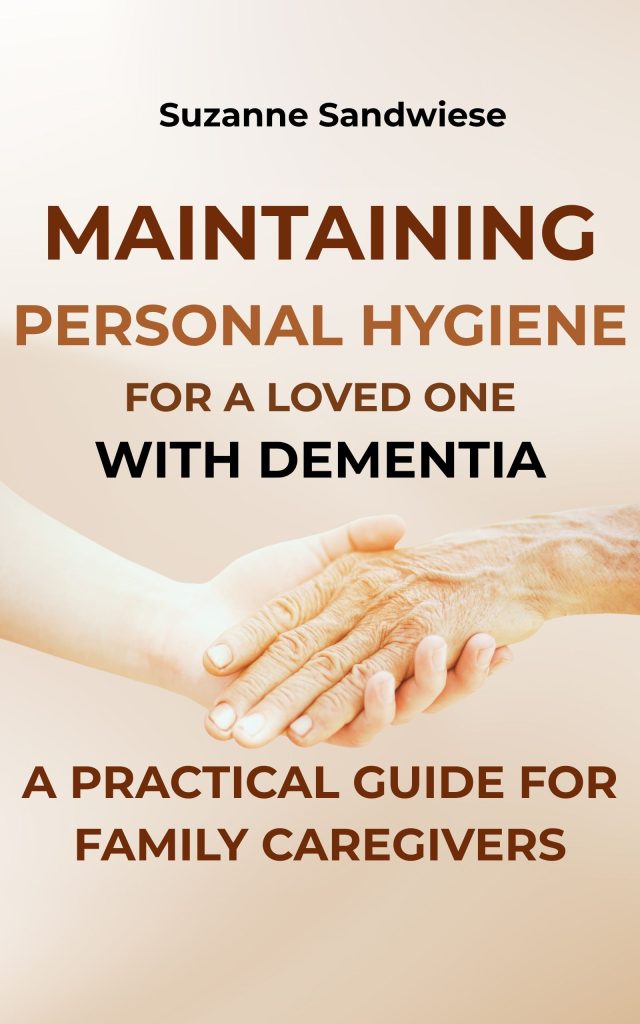
Struggling with stress-free bathing, hair washing, or nail care for a person with dementia? Discover practical, empathetic techniques to turn daily hygiene routines into calm and dignified experiences.
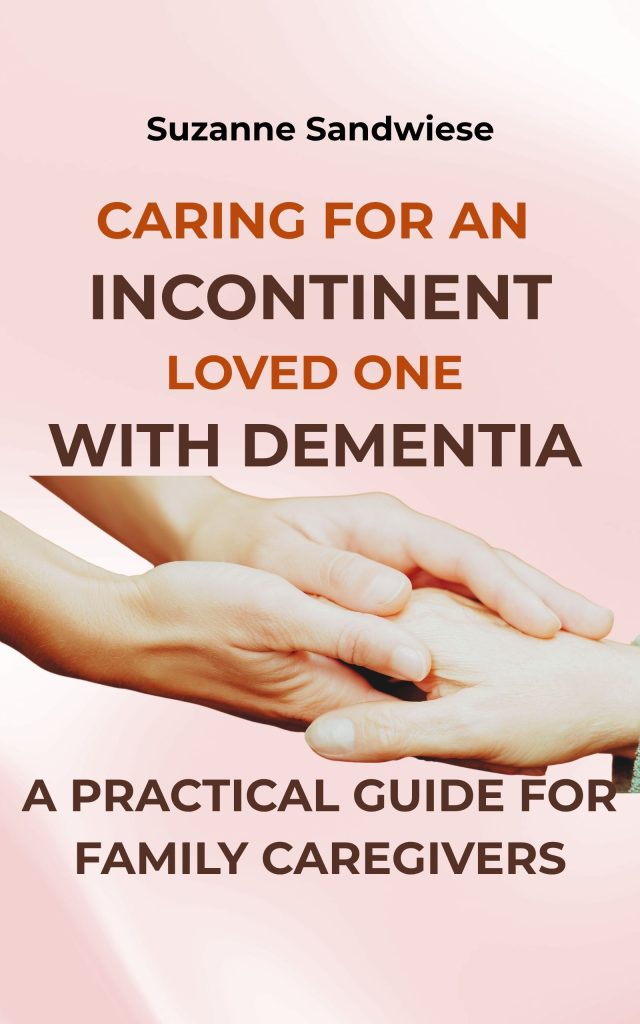
Managing incontinence in dementia care can feel overwhelming, but the right approach makes all the difference. Learn practical, experience-based steps to maintain dignity, comfort, and routine at home.
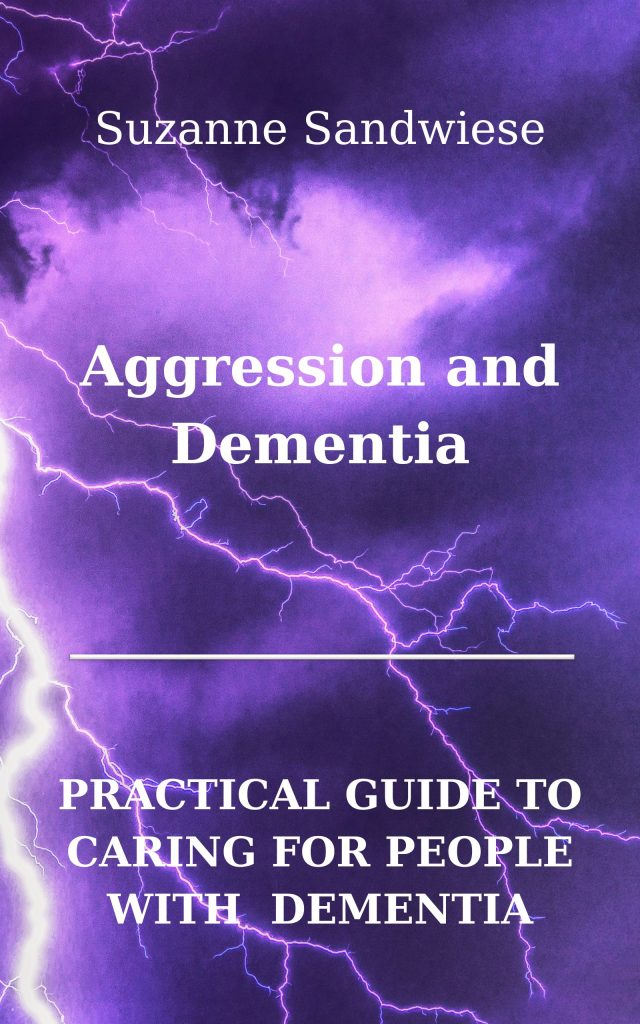
Agitation and aggressive behaviors in dementia are often cries for help rather than intentional actions. Discover practical, practical-proven techniques to de-escalate difficult situations and create a peaceful environment.
Apathy, anxiety, and mood changes are among the hardest non-verbal symptoms of dementia to navigate. This practical guide helps you understand these emotional challenges and offers actionable steps to support your loved one.