

Caring for a loved one with dementia or severe memory impairment at home is an exhausting, 24-hour responsibility. The constant repetitions, the stress surrounding medication management, and the non-stop anxiety over safety can quickly drain the energy of family caregivers. However, in the English-speaking world (particularly in the United States and the United Kingdom), recent breakthroughs in artificial intelligence (AI) and voice-activated technology have emerged to directly alleviate the burden on home caregivers.
If you are caring for a relative with dementia in an English-language environment, the following currently available and proven technological innovations can provide immense support in your daily routine.
1. Generative AI-Powered Phone Companions: Voices of Endless Patience
Traditional smart speakers (such as early versions of Alexa) often caused frustration for individuals with dementia because if the patient did not word their request precisely, the device failed to understand them. The newest systems utilizing generative AI—such as ElderVoice or Meela—have broken away from complicated apps.
- How it works: The patient does not need a smartphone or Wi-Fi. The system calls their existing landline or mobile phone at designated times.
- Personalized memory: These voice assistants “remember” previous conversations, grandchildren’s names, the patient’s favorite stories from their youth, or their hobbies.
- Endless patience: If your loved one asks the exact same question or tells the same story for the twentieth time, the AI responds with the same empathy and understanding as it did the first time.
- A safety net for the caregiver: If the system detects confusion, distress, or keywords indicating a fall during the conversation, it immediately sends an SMS alert to the caregiver.
Best GPS Trackers for Dementia Wandering in 2026 – Dementia in Practice
Guardians of Memory: AI Dementia Screening Tools in 2026 – Dementia in Practice
2. Smart Medication Dispensers with Voice and Facial Recognition
Taking medications accurately is one of the most critical challenges in caregiving. Modern smart medication dispensers widespread in the Anglo-Saxon market, such as Hero or MedMinder, can now be fully integrated into voice-based and digital networks.
- The device aloud, verbally reminds the elderly individual that it is time to take their medication.
- The latest models open using biometric (facial or fingerprint) identification, preventing the patient from accidentally taking a double dose or accessing the wrong medication.
- If a dose is missed, the system sends an immediate alert via the internet to the caregiver’s smartphone, so you do not have to constantly stand by the patient for verification.
3. Camera-Free Fall Detection and Ambient Sensing
Many seniors reject smartwatches or wearable emergency pendants—they take them off for the night or simply forget to charge them. Cameras, on the other hand, violate their dignity and privacy.
- Wall-mounted radar and motion sensors developed by companies like SafelyYou or CarePredict utilize room topology and shape recognition without the use of cameras or wearable devices.
- If the system detects a sudden change in posture (a fall has occurred), it can ask the patient if they are alright through a voice assistant, while simultaneously alerting the relative.
4. Prevention and Early Detection in the Smart Home
Technology giants (for example, Samsung’s latest healthcare and smart home developments) are already focusing on prevention and the analysis of behavioral patterns.
- Pattern analysis: Sensors built into refrigerators, TVs, and household appliances monitor the senior’s daily routine. If the patient wanders unusually much at night, or if their speech pattern changes (vocabulary shrinkage, slowing down), the system signals the phases of cognitive decline to the family and the treating physician.
- Shutting down hazards: Systems like Stove Guard automatically shut off the gas or electricity if the voice assistant or heat sensor detects that the stove has been left unattended.
A Final Thought
These innovations do not replace human love and family presence. However, they are perfectly suited to take over monotonous, repetitive tasks (reminders, answering routine questions), leaving you, as a caregiver, with more quality, stress-free time to truly connect with your loved one.
Which of the presented technologies or devices would be the greatest help in your daily routine?
Important Disclaimer
The information and advice presented on this website and in this article are for informational purposes only. They do not constitute a medical diagnosis or individual therapeutic recommendations. The operator/author of the website assumes no liability for any direct or indirect damages, health issues, or misunderstandings resulting from the use of this information. Everyone applies the described methods at their own risk. Please consult your physician before making any lifestyle changes or applying any complementary therapies.
About the Author
Suzanne Sandwiese – Dementia Caregiver, Mental Health Assistant I have more than 12 years of practical experience in caring for elderly people and patients living with dementia. My goal is to translate knowledge about dementia into understandable, practical advice that can be applied in daily life, thereby helping families live together with the disease. As the author of several professional books and the founder of a popular Facebook page, my mission is to provide clear and, above all, usable guidance to all those who care for loved ones living with dementia.
Sources & Further Reading
- ElderVoice & Meela (Generative AI Phone Companions)
- AI-Driven Solutions for Loneliness and Cognitive Support in Home Care. TechInCare Journal (2025).
- How Generative AI is Changing Dementia Caregiving via Standard Phone Lines. AgeTech Digest (2025).
- Hero & MedMinder (Smart Medication Dispensers)
- Hero Health: Automating Medication Management for Patients with Cognitive Impairment. Available at: herohealth.com.
- MedMinder: Cellular-Enabled Smart Pill Dispensers with Auditory and Visual Alerts. Available at: medminder.com.
- SafelyYou & CarePredict (Camera-Free Fall Detection)
- SafelyYou: Utilizing AI-Enabled Spatial and Radar Technology for Privacy-First Fall Detection in Dementia Units and Home Care. Available at: safely-you.com.
- CarePredict: Ambient Sensing and Wearable-Alternative Behavior Pattern Mapping for Seniors. Available at: carepredict.com.
- Smart Home & Cognitive Decline Prevention (Samsung & Stove Guard)
- Samsung Electronics: SmartThings Home Life and Predictive Health Analytics for Aging in Place. Official Newsroom Announcements (2025-2026).
- Stove Guard: Automatic Thermal and Motion-Based Shut-Off Systems for Fire Prevention in Senior Housing. Available at: stoveguardintl.com.
Looking for practical, hands-on guidance for caring for a loved one with dementia at home? This comprehensive guide offers real-world advice and strategies to help you navigate everyday caregiving with confidence.

Struggling with stress-free bathing, hair washing, or nail care for a person with dementia? Discover practical, empathetic techniques to turn daily hygiene routines into calm and dignified experiences.
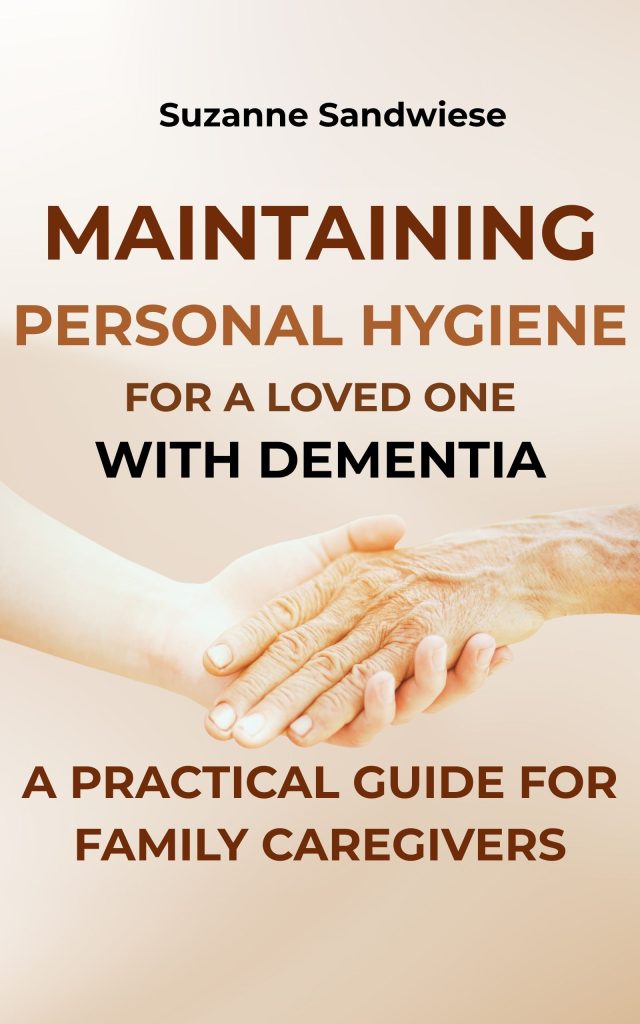
Managing incontinence in dementia care can feel overwhelming, but the right approach makes all the difference. Learn practical, experience-based steps to maintain dignity, comfort, and routine at home.

Agitation and aggressive behaviors in dementia are often cries for help rather than intentional actions. Discover practical, practical-proven techniques to de-escalate difficult situations and create a peaceful environment.

Apathy, anxiety, and mood changes are among the hardest non-verbal symptoms of dementia to navigate. This practical guide helps you understand these emotional challenges and offers actionable steps to support your loved one.