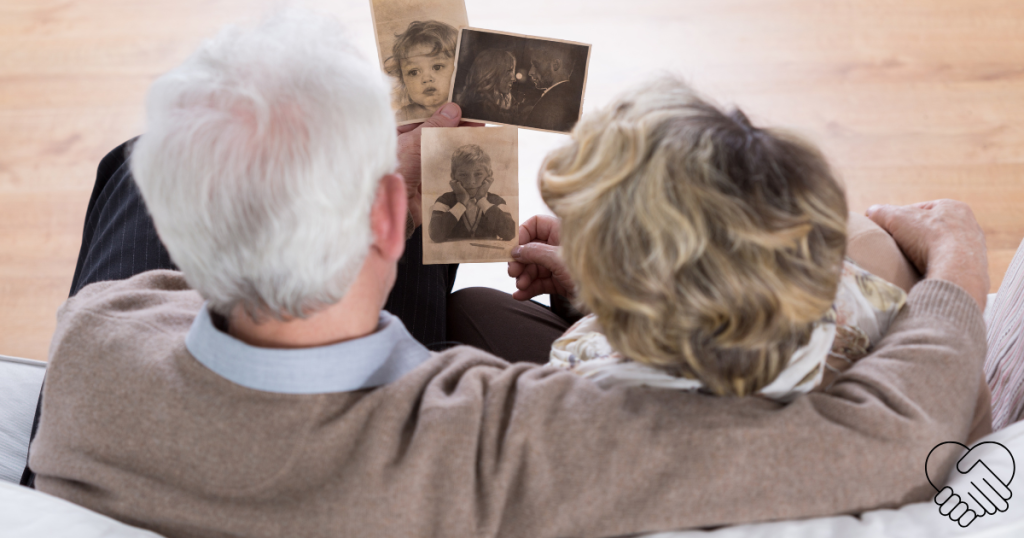
For those living with dementia, recent events often blur or fade away, while old memories frequently remain vivid and clear. This is exactly why “looking through” old photographs is not just a pleasant way to pass the time, but also a deeply loving caregiving tool.
How it can help:
- It provides a sense of safety and comfort.
If your loved one is anxious, distressed, or agitated, a familiar face or an old memory can help them calm down. The past often feels much safer and more familiar to them than the present.
- It brings back beautiful memories.
When they see pictures from their childhood, youth, or family gatherings, stories, names, and feelings often come rushing back. These memories bring them true joy.
- It helps keep the mind active.
Talking about the photographs stimulates memory, speech, and thinking. The goal is never to “quiz” them, but simply to share memories together.
- It distracts them from difficult situations.
If they are feeling tense, repeating questions, or being restless, looking at old photos can gently redirect their attention in a completely different direction.
- It strengthens your bond.
The time spent together and the conversations you share all help your loved one with dementia feel your love and undivided attention.
Important: Please do not correct them or argue with them if they remember a certain memory differently. Accuracy does not matter; the time spent together is what truly counts.
Sometimes, a faded old photograph gives far more than a thousand words. A memory of an old family celebration or a moment from their youth might just make their eyes light up again—and that fleeting moment of joy can make the entire day more beautiful for both of you.
Important Disclaimer
The information and advice presented on this website and in this article are for informational purposes only. They do not constitute a medical diagnosis or individual therapeutic recommendations. The operator/author of the website assumes no liability for any direct or indirect damages, health issues, or misunderstandings resulting from the use of this information. Everyone applies the described methods at their own risk. Please consult your physician before making any lifestyle changes or applying any complementary therapies.
About the Author
Suzanne Sandwiese – Dementia Caregiver, Mental Health Assistant
I have more than 12 years of practical experience in caring for elderly people and patients living with dementia. My goal is to translate knowledge about dementia into understandable, practical advice that can be applied in daily life, thereby helping families live together with the disease. As the author of several professional books and the founder of a popular Facebook page, my mission is to provide clear and, above all, usable guidance to all those who care for loved ones living with dementia.
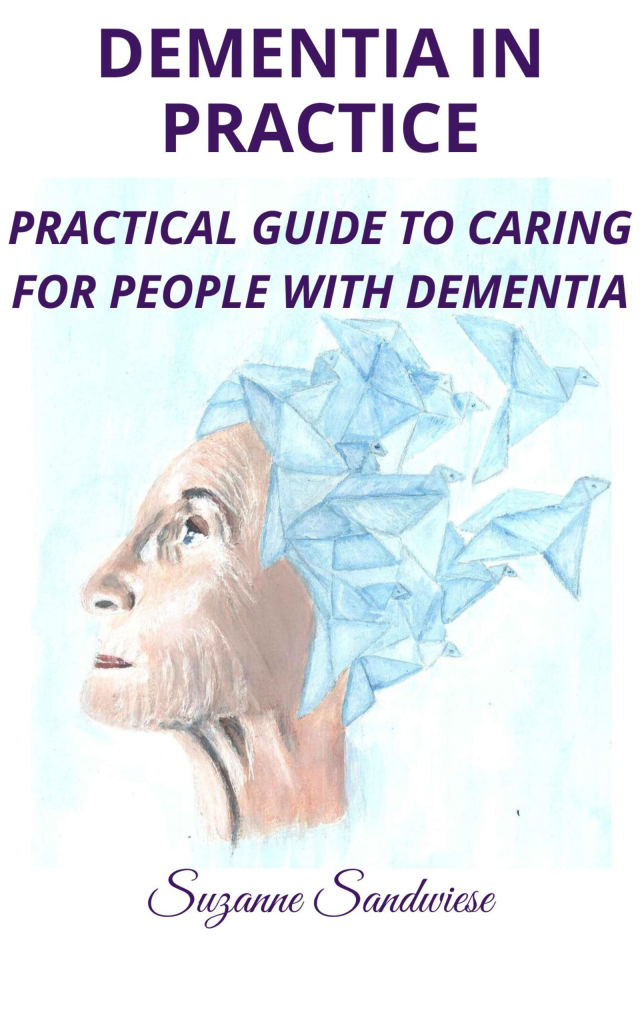
Looking for practical, hands-on guidance for caring for a loved one with dementia at home? This comprehensive guide offers real-world advice and strategies to help you navigate everyday caregiving with confidence.
Struggling with stress-free bathing, hair washing, or nail care for a person with dementia? Discover practical, empathetic techniques to turn daily hygiene routines into calm and dignified experiences.
Managing incontinence in dementia care can feel overwhelming, but the right approach makes all the difference. Learn practical, experience-based steps to maintain dignity, comfort, and routine at home.
Agitation and aggressive behaviors in dementia are often cries for help rather than intentional actions. Discover practical, practical-proven techniques to de-escalate difficult situations and create a peaceful environment.
Apathy, anxiety, and mood changes are among the hardest non-verbal symptoms of dementia to navigate. This practical guide helps you understand these emotional challenges and offers actionable steps to support your loved one.