
Spending time with friends, having family conversations, or even sharing a quick chat with a neighbor does more than just boost our mood. A growing body of research suggests that social connections can also play a vital role in protecting and maintaining brain health.
Why Are Social Connections So Important?
When we talk with others, laugh together, participate in shared activities, or even debate a topic, several areas of our brain light up and become active at the exact same time. We listen to the other person, recall past memories, interpret emotions, express our thoughts, and react quickly to the flow of the conversation. This complex mental workout naturally keeps the brain in shape.
What Impact Do Social Connections Have?
While social connections alone cannot prevent dementia, as part of a healthy lifestyle, they can contribute significantly to long-term brain health. Staying socially active offers protection in several ways:
- They provide continuous mental stimulation and challenge.
- They reduce chronic stress.
- They lower the chances of developing depression.
- They encourage an active lifestyle.
- They help maintain a sense of purpose and motivation in life.
Loneliness Is Not the Same as Being Alone
Many people enjoy spending time alone now and then, and this is completely natural. The real issue is prolonged loneliness and social isolation. Over time, feeling lonely can increase stress levels, worsen mood, and indirectly have a negative impact on brain health. This is why it is not necessarily the number of connections that matters, but rather their quality.
How Can We Nurture Our Connections?
You do not need to be surrounded by people all the time. Even tiny steps can make a big difference.
For example:
- Regularly calling a family member or friend.
- Going for a walk or having a cup of coffee together.
- Joining a club or a local community group.
- Volunteering.
- Participating in local events.
- Finding shared hobbies with others.
What Can We Do Today?
Our brain health does not depend on a single major decision, but rather on our daily habits. Regular physical exercise, a healthy diet, getting enough sleep, staying mentally active, and nurturing social connections together form the lifestyle that can support cognitive health in the long run.
If we reach out to an old friend today, visit a family member, or simply chat with someone for a few minutes, we are not just doing something good for our soul, but also for our brain.
It is truly worth making time for our relationships, because every conversation, shared laugh, and moment spent together not only enriches our lives, but also helps support our brain health.
Important Disclaimer
The information and advice presented on this website and in this article are for informational purposes only. They do not constitute a medical diagnosis or individual therapeutic recommendations. The operator/author of the website assumes no liability for any direct or indirect damages, health issues, or misunderstandings resulting from the use of this information. Everyone applies the described methods at their own risk. Please consult your physician before making any lifestyle changes or applying any complementary therapies.
About the Author
Suzanne Sandwiese – Dementia Caregiver, Mental Health Assistant
I have more than 12 years of practical experience in caring for elderly people and patients living with dementia. My goal is to translate knowledge about dementia into understandable, practical advice that can be applied in daily life, thereby helping families live together with the disease. As the author of several professional books and the founder of a popular Facebook page, my mission is to provide clear and, above all, usable guidance to all those who care for loved ones living with dementia.
Looking for practical, hands-on guidance for caring for a loved one with dementia at home? This comprehensive guide offers real-world advice and strategies to help you navigate everyday caregiving with confidence.
Struggling with stress-free bathing, hair washing, or nail care for a person with dementia? Discover practical, empathetic techniques to turn daily hygiene routines into calm and dignified experiences.
Managing incontinence in dementia care can feel overwhelming, but the right approach makes all the difference. Learn practical, experience-based steps to maintain dignity, comfort, and routine at home.
Agitation and aggressive behaviors in dementia are often cries for help rather than intentional actions. Discover practical, practical-proven techniques to de-escalate difficult situations and create a peaceful environment.
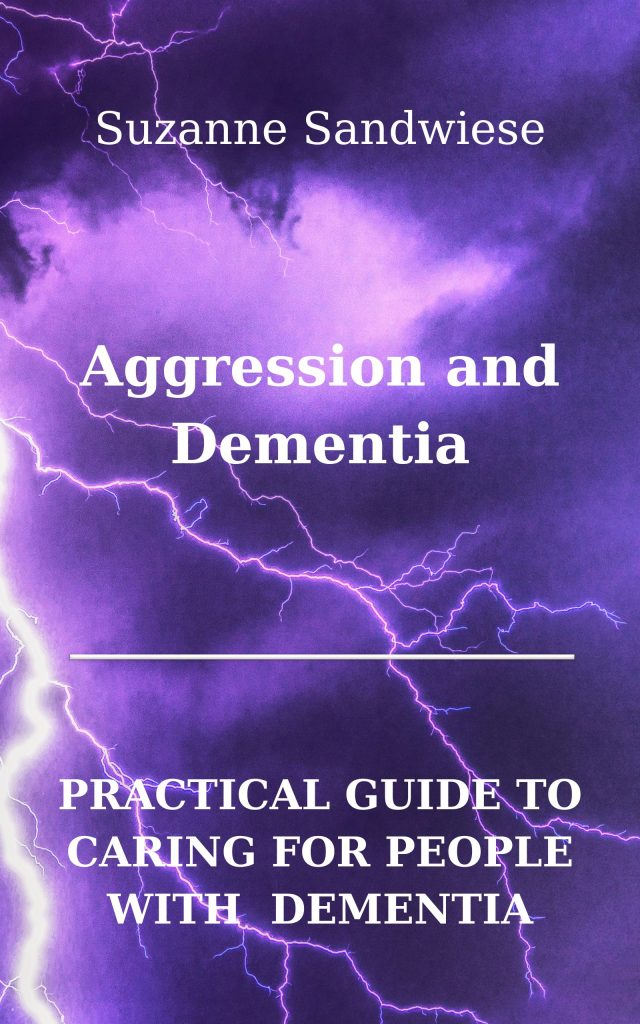
Apathy, anxiety, and mood changes are among the hardest non-verbal symptoms of dementia to navigate. This practical guide helps you understand these emotional challenges and offers actionable steps to support your loved one.