Dementia and the Decline of Self-Care Abilities
In this article, we will look in detail at how the self-care abilities of a loved one with dementia gradually decline, and what you can do in this situation. We will go through the most important areas: hygiene, eating, dressing, and safety. You will receive clear, practical advice on how to help without creating arguments or conflict.
We will also discuss preventing accidents, reducing fall risk, making the home safer, managing finances, and handling medications. We will cover the point when outside help or a professional caregiver may become necessary.
Dementia is a subtle, progressive illness. At first, it slowly damages memory, then over time, it affects the abilities needed for everyday independent living. Over time, your loved one will need help with more and more things.
The loss of self-care skills does not happen overnight. One week, your loved one may only occasionally forget to brush their teeth. A few months later, you may need help with dressing, and later even with eating.
1. Main Areas of Declining Self-Care and How to Manage Them
The decline in self-care abilities is gradual and appears in a different order for everyone. Here are some of the main areas where increasing support becomes necessary.
Hygiene
Washing, brushing teeth, and combing hair are often the first things that are “forgotten.” This is not carelessness. It is the forgetting of the importance, purpose, and meaning of hygiene.
Problems:
- Forgetting to brush their teeth
- Neglecting to bathe or wash
- Refusing to wash and failing to cooperate
- Believing they have already bathed
- Failing to understand why hygiene is necessary
- Experiencing bathing as an attack or even as torture
- Becoming aggressive or irritable when prompted to bathe
Practical tip:
Do not ask, “Do you want to take a bath?” They may not be able to decide, or they may simply say no. Instead, say, “It’s time to freshen up a little. Please come with me to the bathroom.”
Move step by step. For example, first gently comb their hair. Then wipe their face. Then place the soap in their hand. Help them wash their hands. Then slowly begin washing the rest of their body. Prepare everything you may need in advance before starting the bath.
Read more about hygiene: What to do if a person with dementia refuses to bathe? – Practical Solutions – Dementia in practice
Hair Washing – How to Wash a Person with Dementia’s Hair? – Dementia in practice
Eating
Eating is one of the most complex activities. It involves recognizing food, using utensils, and swallowing.
Problems:
- Forgetting that a meal has already been eaten
- Failing to recognize the food provided
- Losing the ability to use cutlery correctly
- Forgetting the sequence or process of eating
- Being unable to initiate the act of eating
- Experiencing difficulty or fear when swallowing
Practical tip:
Place only a spoon and a plate on the table. Too many objects can be confusing. Help start the movement by guiding the spoon toward their mouth. If needed, gently guide their hand or feed them.
Over time, they may no longer be able to use utensils or swallow properly. Soft, mashed, or blended foods are often easier and safer to swallow. Instead of three large meals, it is often better to offer smaller portions several times a day.
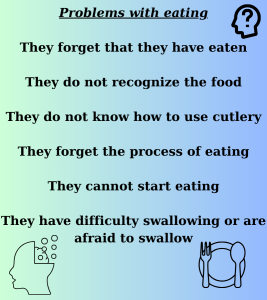
Figure 1: This figure shows the types of eating-related difficulties you may face when the self-care abilities of someone living with dementia begin to decline.
Dressing
As the illness progresses, your loved one will need help choosing clothes and putting them on or taking them off.
Problems:
- Choosing inappropriate clothing for the occasion or weather
- Being unable to dress independently
- Putting clothes on incorrectly (for example, pulling a sweater over trousers)
- Wearing several layers of clothing at once
- Wrapping themselves in a blanket instead of getting dressed
- Putting slippers on the wrong feet
- Dressing and undressing repeatedly throughout the day
- Refusing to take off clothes worn for several days
- Insisting on wearing the same outfit every day
Practical tip:
Lay out only the one set of clothes they need to wear, suitable for the weather. Do not confuse them by offering choices. Choose simple clothing, such as elastic-waist trousers, which are easier to pull down when using the toilet.
2. Safety
Movement and Mobility
As dementia progresses, spatial awareness and judgment decline. This increases the risk of falls and getting lost. Preventing accidents and supporting safe movement is extremely important.
Practical tips:
- If they want to go out, accompany them on a short walk.
- Install motion-sensor lights so there is always light where they walk.
- Secure loose cables in cable channels.
- Remove loose rugs.
- Take away small pieces of furniture that may be in the way, such as a coffee table.
- Install grab bars and non-slip mats in the bathroom.
It is not an exaggeration to focus on these precautions. It is far better to prevent an accident than to struggle after a hip fracture.
Read more about safety: CREATING SAFETY AND PREVENTING ACCIDENTS IN DEMENTIA – Dementia in practice
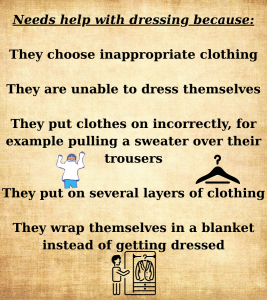
Figure 2: This infographic shows why you need to help your loved one with dementia when it comes to dressing—for example, because they cannot dress themselves, put on multiple layers, or wear clothes incorrectly.
Finances and Medication
These functions require the highest level of cognitive abilities. That is why support is needed even in the early stages of dementia.
Finances:
Take over full responsibility for paying bills and managing money. Someone with dementia can easily become a victim of fraud.
Financial problems often appear early. Bills go unpaid. Strange transfers are made. Money goes missing. They may not remember where they put it or may claim it was stolen. They may hide money around the house or place it in unusual locations. They may no longer understand the value of money.
Taking medication:
Giving medication to someone with dementia is often more difficult than you might expect. They may be afraid of the medicine or simply not understand why they need it. They may say, “I already took it,” even if they did not—or they may try to take it again because they do not remember. Sometimes they are suspicious and believe they do not need medication or that you want to harm them.
- Always ensure that the caring family member or the professional caregiver gives the prescribed medication.
- Keep medications in a locked cabinet. Never leave them out, because your loved one may forget they have already taken them and take them again.
- If the doctor allows it, give the medicine crushed and mixed with a small amount of sweet syrup.
- If they are afraid to take medicine, you may call it a vitamin.
- If they refuse, take a vitamin yourself first as an example.
3. When More Help Is Needed
There comes a point when the family cannot manage everything alone. You may ask other family members for help or hire a professional caregiver. In more severe stages, residential care may also need to be considered.
Prepare yourself and accept that your loved one living with dementia will need increasing support over time.
It is helpful to think about these steps in advance, so decisions do not have to be made during a crisis. You can prepare financially, emotionally, and practically. While caring for a family member with dementia, you will face many unexpected situations. Thoughtful planning can provide some stability and reassurance.
And this brings safety not only to your loved one, but to you as well.
This article is a key chapter in our comprehensive guide: Understanding – Dementia in practice. Building a strong foundation of knowledge is the first step toward compassionate care. Explore the full guide to gain a deeper perspective on the biological changes and early signs of the condition.
Important Disclaimer
The information and advice presented on this website and in this article are for informational purposes only. They do not constitute a medical diagnosis or individual therapeutic recommendations. The operator/author of the website assumes no liability for any direct or indirect damages, health issues, or misunderstandings resulting from the use of this information. Everyone applies the described methods at their own risk. Please consult your physician before making any lifestyle changes or applying any complementary therapies.
About the Author
Suzanne Sandwiese – Dementia Caregiver, Mental Health Assistant
I have more than 12 years of practical experience in caring for elderly people and patients living with dementia. My goal is to translate knowledge about dementia into understandable, practical advice that can be applied in daily life, thereby helping families live together with the disease.
As the author of several professional books and the founder of a popular Facebook page, my mission is to provide clear and, above all, usable guidance to all those who care for loved ones living with dementia.
My books – Dementia in practice
Looking for practical, hands-on guidance for caring for a loved one with dementia at home? This comprehensive guide offers real-world advice and strategies to help you navigate everyday caregiving with confidence.
Struggling with stress-free bathing, hair washing, or nail care for a person with dementia? Discover practical, empathetic techniques to turn daily hygiene routines into calm and dignified experiences.
Managing incontinence in dementia care can feel overwhelming, but the right approach makes all the difference. Learn practical, experience-based steps to maintain dignity, comfort, and routine at home.
Agitation and aggressive behaviors in dementia are often cries for help rather than intentional actions. Discover practical, practical-proven techniques to de-escalate difficult situations and create a peaceful environment.

Apathy, anxiety, and mood changes are among the hardest non-verbal symptoms of dementia to navigate. This practical guide helps you understand these emotional challenges and offers actionable steps to support your loved one.