
Caring for a loved one with dementia is not only a physical task, but also a serious emotional burden. Many people say they regularly feel guilt or remorse, even when they are doing everything they can for someone with dementia. This article is about why these feelings develop, what everyday situations trigger them, and what lies behind them. We will also look at how a sense of duty is connected to all this. We will talk about the role of love and shared memories, and how guilt, constant worry, and ongoing self-criticism can slowly damage both body and mind.
“I Am Not Patient Enough.”
“It hurts me deeply that I am not patient enough with my mother. I always decide—actually several times a day—that I will be more patient and kinder. But then, when she asks the same question for the hundredth time, or does not understand, or refuses to take her medication and keeps her mouth tightly closed no matter what I try… I become irritated, and I simply cannot stay calm and patient. Then I regret it—an hour later, in the evening, the next day. I always feel guilty afterwards. And it is awful. First comes the regret, then the promise that I will do better, and that lasts until the next difficult situation. In reality, with short breaks, I live in constant guilt. I live in tension and guilt.”
Many family members struggle with recurring guilt. There is an inner voice in their head: “I should have handled this better.” Or: “I am not patient enough.” These feelings are extremely common, yet we rarely talk about them. And we should, because in the long term, they place a heavy burden on you.
When Does Guilt Appear?
Guilt often begins in very ordinary situations, for example:
- You answer the hundredth repeated question while feeling tired and irritated.
- You cannot get your loved one to drink enough.
- You lose patience while helping with dressing.
- You are simply exhausted, and because of that, you are more tense with your loved one.
At these moments, self-blame begins: “I should have done this better. If I had been more patient, they would have drunk enough.”
But is it really possible to respond with patience all the time when caring for someone living with dementia?
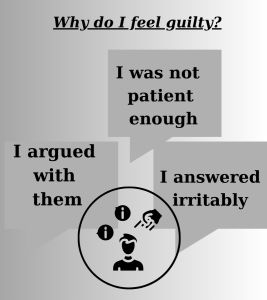
Figure 1: This figure shows why a caregiver may feel guilt while caring for a loved one with dementia.
Why Does This Remorse Develop?
Behind these feelings, there is usually a deeper inner belief.
Many people feel that:
- It is their duty.
- They must give back everything they once received.
- They owe this to their parent.
When a mother cared for her child for many years, when a father stood by them in difficult times, these memories become a strong inner expectation. Now that a family member with dementia needs care, the roles have changed.
And the thoughts appear:
“They were never impatient with me.”
“They did everything for me.”
Love Is What Helps You Keep Going
Emotional connection and love are what help most people continue, even on the hardest days. The main driving force is not duty, but the relationship itself.
This love grows from:
- shared memories,
- old stories,
- unspoken gestures,
- the simple feeling: “He is my father.” “She is my mother.”
The Harmful Effects of Negative Feelings
Guilt, remorse, and constant worry are not harmless emotions. And here is an important contradiction: the more someone blames themselves, the less patient they become. An exhausted, self-critical person becomes tired more quickly and raises their voice more easily.
In the long term, guilt and remorse:
- increase stress,
- disturb sleep,
- raise anxiety levels,
- weaken the immune system,
- make you more irritable.
Patience Is the Hardest Part
Many people think physical care is the biggest challenge. Experience shows that patience is the hardest part.
Answering the same question for the hundredth time.
Accepting that your loved one does not understand what you are saying.
Remaining calm when they accuse you, become irritated, or act hurtfully.
This is deeply demanding. It is not hard because you are a bad person. It is hard because dementia is a difficult condition. Sometimes you have more patience. Sometimes you have less.
There is no one who is always patient and never tired. You do not have to aim for perfection. It is enough if you try, if you do what you can in the given situation and moment, if you learn from your mistakes while also accepting your own limits.
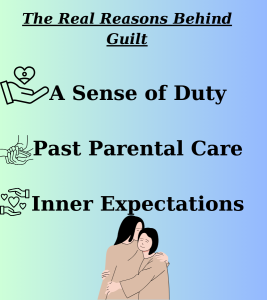
Figure 2: This figure shows the reasons why someone wants to care well for a loved one with dementia. A sense of duty, parental love received in the past, and inner expectations all contribute to a family caregiver setting very high standards during caregiving. From this often comes the feeling of “I am not good enough” and the burden of guilt.
How Is It Helpful to Think About Yourself and Your Loved One?
Try to let go of the “I should have” thoughts. “I should have” is one of the most damaging inner sentences. I should have been more patient. I should have spoken more gently. You cannot change past situations. But excessive self-blame takes away your energy for the next day.
It may help to think like this instead:
“I was tired. I am human. Tomorrow I will try to do a little better.”
Closing Thoughts
The love that helps you keep going is probably still there. But for that love to remain in the long term, it is important to be more accepting and patient with yourself as well. The goal is not perfection, but doing what you can.
Constant inner pressure will slowly wear you down. Perfectionism creates unrealistic expectations not only toward your loved one with dementia, but also toward yourself. It is important to let go of the idea that you must do everything perfectly. If you do not protect yourself, your physical and emotional health will not be sustainable in the long run.
Further helpful blog articles :What to do if a person with dementia refuses to bathe? – Practical Solutions – Dementia in practice
What to do in case of wandering and the urge to walk? – Dementia in practice
Remember: you cannot pour from an empty cup. Your well-being matters just as much as your loved one’s. For more support on navigating guilt, preventing burnout, and building emotional resilience, visit our Caring for the Caregiver: A Guide to Mental Health and Emotional Resilience – Dementia in practice sanctuary. You are not alone in this journey.
Important Disclaimer
The information and advice presented on this website and in this article are for informational purposes only. They do not constitute a medical diagnosis or individual therapeutic recommendations. The operator/author of the website assumes no liability for any direct or indirect damages, health issues, or misunderstandings resulting from the use of this information. Everyone applies the described methods at their own risk. Please consult your physician before making any lifestyle changes or applying any complementary therapies.
About the Author
Suzanne Sandwiese – Dementia Caregiver, Mental Health Assistant
I have more than 12 years of practical experience in caring for elderly people and patients living with dementia. My goal is to translate knowledge about dementia into understandable, practical advice that can be applied in daily life, thereby helping families live together with the disease. As the author of several professional books and the founder of a popular Facebook page, my mission is to provide clear and, above all, usable guidance to all those who care for loved ones living with dementia.
Looking for practical, hands-on guidance for caring for a loved one with dementia at home? This comprehensive guide offers real-world advice and strategies to help you navigate everyday caregiving with confidence.
Struggling with stress-free bathing, hair washing, or nail care for a person with dementia? Discover practical, empathetic techniques to turn daily hygiene routines into calm and dignified experiences.
Managing incontinence in dementia care can feel overwhelming, but the right approach makes all the difference. Learn practical, experience-based steps to maintain dignity, comfort, and routine at home.
Agitation and aggressive behaviors in dementia are often cries for help rather than intentional actions. Discover practical, practical-proven techniques to de-escalate difficult situations and create a peaceful environment.
Apathy, anxiety, and mood changes are among the hardest non-verbal symptoms of dementia to navigate. This practical guide helps you understand these emotional challenges and offers actionable steps to support your loved one.