
This article is about one of the most difficult symptoms to manage in people living with dementia: wandering and “compulsive walking.” We clarify these concepts with simple, clear examples: the difference between aimless wandering and the urge to walk driven by internal tension. We pay special attention to the situation of relatives who are on standby 24 hours a day, which often leads to total physical and mental exhaustion and burnout.
In this post, you can find out what causes might be in the background and why it is essential to consult a doctor if wandering intensifies. We also provide specific tips for making the home safe and speak honestly about when home care is no longer sustainable.
Wandering and the Urge to Walk
What do “wandering” and the “urge to walk” mean?
While living with a person with dementia, relatives often encounter the symptom that their loved one is unable to stay in one place. They come and go, “walking around” all day with only short breaks. This is wandering or the urge to walk, but there is a slight difference between the two.
During wandering, the person with dementia roams without a goal. They start for the kitchen but stop in the hallway, look around confused, and then head in another direction. Wandering is often paired with disorientation: the person living with dementia does not recognize their own home and loses their sense of time.
The urge to walk is a more urgent internal stimulus. In this case, the patient is driven by internal tension. They pace in circles in the room without stopping, walk up and down the hallway, and if you try to make them sit down, they jump up almost immediately and keep going. Often, they even say where they are going: home or to work.
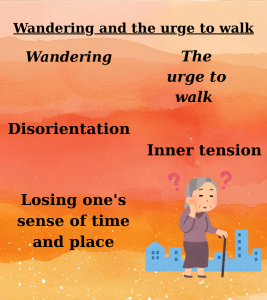
Figure 1: Wandering and the urge to walk – what is in the background?
Why does the family get exhausted?
Caring for a wandering patient is one of the hardest tasks. It is not a “classic” caregiving task (where you must help with eating or dressing), but a constant, 24-hour state of alertness and supervision. This is incredibly draining and robs you of energy.
When the patient “walks around” day and night, family members cannot rest or sleep. They wake up to every little noise: “What was that sound? What are they doing now? Maybe they can’t find the bathroom?” This continuous vigilance grinds down the nerves. The caregiving relative can never relax (not even for a quick shower) because they fear something bad will happen during that time. This constant readiness and lack of sleep lead to family members soon becoming ill from exhaustion.
What could be in the background? The causes
It is worth examining what might trigger or intensify the walking. A person living with dementia often cannot express their needs with words, so they “talk” with their legs.
- Physical needs: They might be hungry, thirsty, or looking for the bathroom, but cannot find it.
- Pain: For example, untreated joint pain can make it impossible to sit still.
- Boredom or anxiety: If there is not enough stimulation during the day, walking becomes the only “activity.” At the same time, too much noise (TV, loud talking) can also trigger continuous walking.
- Sundowning syndrome: For many people with dementia, restlessness increases in the late afternoon hours.
You can read more about this topic here: Wandering and the Urge to Move: Causes and the Impact on Families – Dementia in practice
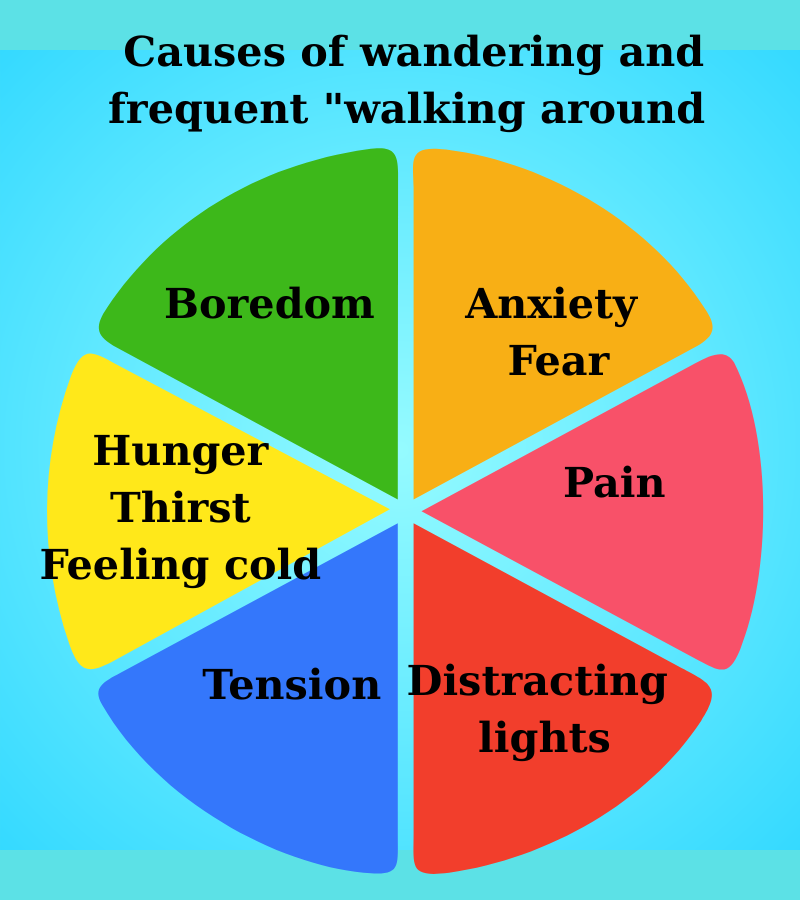
Figure 2: Causes of wandering and “frequent walking”
What can be done if our loved one with dementia wanders?
Try to observe when the walking starts or intensifies. If you manage to find a connection between an event and the wandering, you can figure out what triggers the urge to walk. If we know the cause, we can treat it and thus soothe the patient’s fear and restlessness. This way, our loved one living with dementia will wander less often.
Why should you consult a doctor?
It is very important to report nighttime wandering and increasing restlessness to the treating physician. The doctor can help determine if a medication side effect or an infection (such as a urinary tract infection) is causing the confusion and the urge to walk. The doctor can also suggest preparations that reduce the internal anxiety that causes the patient to get up at night. Do not wait until you are completely exhausted. Speaking to the doctor is important so that both you and your loved one can be calmer.
Adaptation
Wandering often cannot be “cured” or stopped by prohibition; therefore, the best we can do is adapt. However, this requires a great deal of patience and energy. Two things we can do to adapt to the patient’s needs:
- Walking together: If you let the patient “walk out” the tension, it can reduce their irritability, tension, anxiety, and thus their need to move.
- Safety: The environment must also be adjusted to the patient’s needs. Rearranging furniture and creating safe, barrier-free pathways help ensure the urge to walk does not lead to accidents.
How to make the environment safe?
Since it is almost impossible to stop the urge to walk completely, the goal is to create a safe “moving space.”
- Visual trick: A black rug in front of the entrance door often looks like a “ditch” or a hole to a person with dementia, so they won’t dare step on it; this can stop them from going to the door to rattle the handle.
- Motion sensor light: If they start walking at night, at least they can see where they are stepping.
- Eliminating trip hazards: Pick up small rugs and runners, or secure them with double-sided tape. Hide cables running across the floor in cable management channels.
When the time for a decision comes
When wandering and the urge to walk become permanent, a point comes where love is no longer enough to compensate for the lack of sleep and exhaustion. Many people make the painful decision at this point to seek a residential facility for their loved one. This does not happen because they don’t love them, but because the human body needs sleep and rest. If you sleep very little for months, staying awake every night, and cannot take your eyes off your loved one for a minute during the day, it leads to exhaustion and then collapse.
At such times, a biting guilt often appears: “I am failing them…” But it is important to realize, or even say out loud: it is no shame to get tired. Not everyone can handle it, and no one is a robot. When you are on the verge of total exhaustion, placement in a facility is not “abandonment,” but survival. Everyone feels for themselves where that limit is, when it simply cannot go on any longer.
You can read more about dementia: Blog – Dementia in practice
Managing unexpected behaviors is one of the most taxing parts of caregiving. If you found this helpful, you can find more strategies and expert insights in our Behavioral Challenges – Dementia in practice hub. Together, we can replace helplessness with intentional, empathetic reactions.
Important Disclaimer
The information and advice presented on this website and in this article are for informational purposes only. They do not constitute a medical diagnosis or individual therapeutic recommendations. The operator/author of the website assumes no liability for any direct or indirect damages, health issues, or misunderstandings resulting from the use of this information. Everyone applies the described methods at their own risk. Please consult your physician before making any lifestyle changes or applying any complementary therapies.
About the Author
Suzanne Sandwiese – Dementia Caregiver, Mental Health Assistant
I have more than 12 years of practical experience in caring for elderly people and patients living with dementia. My goal is to translate knowledge about dementia into understandable, practical advice that can be applied in daily life, thereby helping families live together with the disease. As the author of several professional books My books – Dementia in practice and the founder of a popular Facebook page, my mission is to provide clear and, above all, usable guidance to all those who care for loved ones living with dementia.
Looking for practical, hands-on guidance for caring for a loved one with dementia at home? This comprehensive guide offers real-world advice and strategies to help you navigate everyday caregiving with confidence.

Struggling with stress-free bathing, hair washing, or nail care for a person with dementia? Discover practical, empathetic techniques to turn daily hygiene routines into calm and dignified experiences.

Managing incontinence in dementia care can feel overwhelming, but the right approach makes all the difference. Learn practical, experience-based steps to maintain dignity, comfort, and routine at home.
Agitation and aggressive behaviors in dementia are often cries for help rather than intentional actions. Discover practical, practical-proven techniques to de-escalate difficult situations and create a peaceful environment.

Apathy, anxiety, and mood changes are among the hardest non-verbal symptoms of dementia to navigate. This practical guide helps you understand these emotional challenges and offers actionable steps to support your loved one.