
This article explains how to protect a family member with dementia from accidents in everyday life. We focus especially on how to prevent falls, which can have serious consequences in dementia. We also show how to make the home safer and what to pay attention to during walks.
To keep a person with dementia safe, constant attention is needed, because their condition can change from one moment to the next. They may walk steadily, then suddenly become unsteady, feel dizzy, or fall.
Many people with dementia cannot say when they are in pain, feel weak, or feel unwell. Because of this, the family caregiver must notice the small signs: slower movement, difficulty standing up, unusual restlessness. Continuous attention is essential to prevent accidents.
WHY IS FALL PREVENTION ESPECIALLY IMPORTANT IN DEMENTIA?
A fall in a person with dementia is not only painful and dangerous for the patient, it also makes caregiving much more difficult. After a fracture or injury, there is much more to do: wound care, medical check-ups, closer supervision, giving (more) medication, etc. A common problem is that the patient does not understand what is happening, may even forget they are injured, and remove their bandage.
They may not cooperate during medical examinations. In fact, they often refuse to go to the doctor because they do not understand why they need to go. They do not rest (it is almost impossible to keep a person with moderate dementia in bed), but continue to stand up and “wander” around the home, which increases the risk of another accident when they are injured. That is why preventing falls is one of the most important tasks in daily care.
THEY DO NOT PERCEIVE DANGER
A person with dementia often gets into dangerous situations because they do not properly perceive their surroundings and cannot realistically judge risks. They may not see well and may not notice level changes, thresholds, or obstacles.
Their sense of space may worsen, so they misjudge how far away a chair, a bed, or stairs are. In many cases, they do not understand what is dangerous and what is not: they stand up even when unstable or dizzy, and start walking alone even when their gait is unsteady. Because they cannot recognize danger, they are not careful, so making the environment safe is essential.
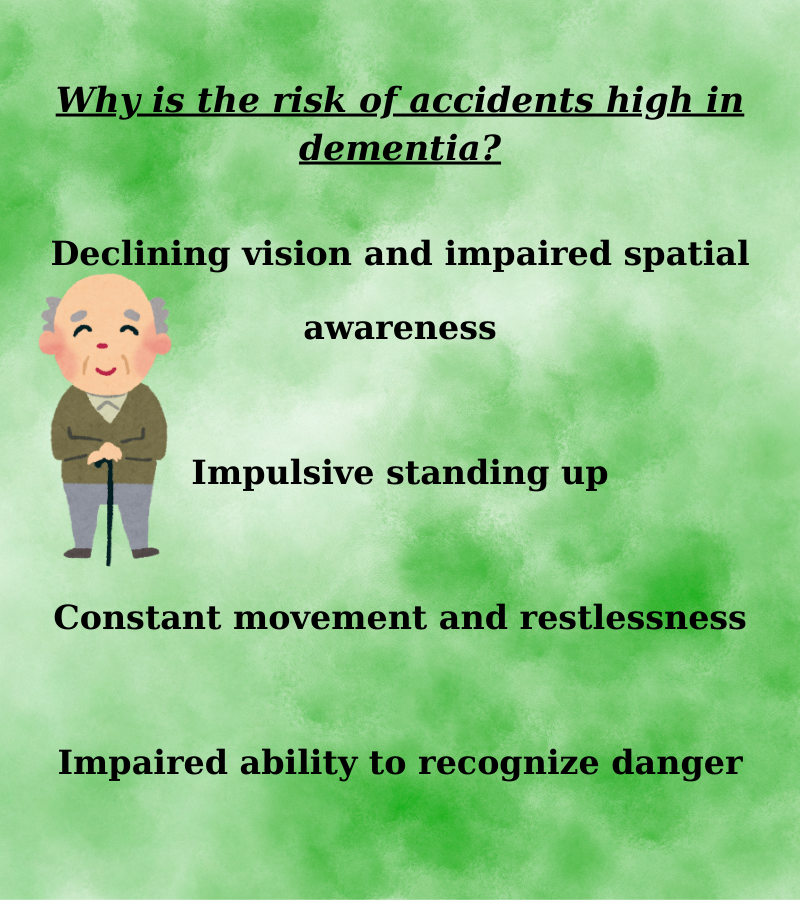
Figure 1: The figure shows why dementia increases the risk of accidents
HOW CAN WE MAKE THE HOME SAFER?
• Remove rugs, or at least fix loose edges, such as curled corners or fringes.
• Hide electrical cords in cable covers; do not leave them on the floor.
• Make sure every room is well-lit, even at night, for example, with motion-sensor lights.
• Install grab bars in the bathroom and next to the toilet, and in other places where the patient walks frequently.
• Use non-slip mats in the shower, in the bathtub, and in front of the tub. Lock away dangerous items (knives, chemicals, medications).
• Remove small pieces of furniture.
• Make sure furniture is stable and does not wobble.
• Leave enough free space for walking.
• If there are thresholds in the home, highlight them visually, for example, with yellow tape.
PREVENTING WANDERING
A person living with dementia does not want to “escape,” but:
• They are looking for safety because the place does not feel familiar; it feels strange to them.
• They hold on to an old role, for example, they think they need to go to work.
• Something feels “missing” to them, for example, they are hungry, thirsty, in pain, etc.
If we accept this in our minds, it becomes much easier to handle the situation calmly.
What you can do:
1. NOTICE THE SIGNS BEFORE THEY LEAVE
A person with dementia usually does not suddenly decide to leave. There are typical warning signs:
• Looking for shoes, taking out a coat.
• Looking for keys, packing a bag.
• Restlessly walking around, especially near the door.
• Saying things like: “I have to go to work,” “My mother is waiting,” “I’ll miss the bus.”
If you see these signs, act immediately. Do not wait until they are standing at the door.
2. DISTRACTION
Do not explain. Do not argue. It is pointless to try to convince them that they do not have to work because they are already retired. They will not understand this, because they are living in the past. The past is their present. Instead, try to redirect their attention, for example:
• “Can you help me with something?” (They like to feel useful.)
• “Come, I want to show you something.” (a photo, an old object, TV)
• “We’ll leave soon, just a minute.” → and meanwhile help them sit down.
Do not say: “You can’t go,” “That’s not true,” “You are at home.”
These sentences cause anxiety and anger.
Here you can learn more about how to communicate with a person living with dementia.
How to Communicate with Someone Living with Dementia – Dementia in practice
NON-VERBAL COMMUNICATION IN DEMENTIA CARE – Dementia in practice
3. THE DOOR
This is surprisingly effective.
• Put a curtain in front of or over the door.
• Stick self-adhesive wallpaper on the door (so it does not look like a door).
• Install a latch higher up.
4. THE KEY PROBLEM
• Never leave keys in sight.
• Do not keep them where they used to be, because they will find them.
• If there is a spare key, put that away as well.
5. “I WANT TO LEAVE.”
If they strongly insist on going, say:
• “Okay, but first let’s get dressed.” (dress them slowly, look for clothes)
• “First, let’s go to the bathroom.”
• “Let’s wait for XY first.”
• “Let’s eat something first.”
After 10–15 minutes, the urge to leave often passes. If they still insist, go with them for a short walk around the house or in the neighborhood. Then enter the home as if you have just arrived home.
SAFE WALKING
Walking is important, but in dementia, it requires serious attention. Walking is very important for a person with dementia because it helps release inner tension and anxiety. Many patients are restless and constantly moving, and physical activity (within safe limits) can reduce this.
Regular walks improve circulation and muscle function and help the patient be less stiff and less unsteady. Walking is also a good activity. Fresh air and movement can have a calming effect.
DURING THE WALK, PAY ATTENTION TO THE FOLLOWING:
• Avoid busy, noisy places. A park or a quiet street is best.
• Use non-slip, closed shoes. The best choice is their old, well-used shoes. Do not put new shoes on them, because new shoes are not “broken in” and increase the risk of accidents.
• Choose short, familiar routes that are very close to home.
• Do not leave them alone, not even for a moment.
• Slow down and adjust to their pace; do not rush them.
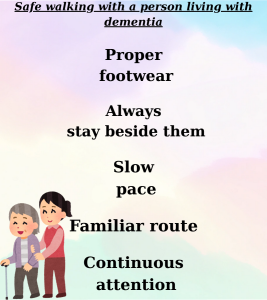
Figure 2: Conditions for safe walking with a person with dementia
HOW CAN THE RISK OF FALLS BE REDUCED?
• Wear comfortable, regular shoes at home as well.
• Remove thresholds and level changes, or at least make them clearly visible.
• Help them when standing up and when lying down.
• Watch for signs of fatigue, because the risk of falling increases when they are tired.
• Make sure there is a light source at night as well.
Keeping a person with dementia safe is an extremely difficult task. It requires constant attention because the patient is continuously moving, standing up, and starting to walk, often without any sense of danger.
Caregiving practically means 24-hour presence and supervision. Although risks can never be eliminated, many accidents can be prevented with a consciously adapted environment and continuous supervision.
Small daily victories lead to long-term peace. This post is part of our Daily Care & Safety-Practical Guides for Dementia Caregivers – Dementia in practiceresource center, where we share creative techniques for hygiene, medication, and creating a secure home environment. Discover more practical guides to make your daily routine smoother.
Important Disclaimer
The information and advice presented on this website and in this article are for informational purposes only. They do not constitute a medical diagnosis or individual therapeutic recommendations. The operator/author of the website assumes no liability for any direct or indirect damages, health issues, or misunderstandings resulting from the use of this information. Everyone applies the described methods at their own risk. Please consult your physician before making any lifestyle changes or applying any complementary therapies.
About the Author
Suzanne Sandwiese – Dementia Caregiver, Mental Health Assistant
I have more than 12 years of practical experience in caring for elderly people and patients living with dementia. My goal is to translate knowledge about dementia into understandable, practical advice that can be applied in daily life, thereby helping families live together with the disease. As the author of several professional books and the founder of a popular Facebook page, my mission is to provide clear and, above all, usable guidance to all those who care for loved ones living with dementia.
Looking for practical, hands-on guidance for caring for a loved one with dementia at home? This comprehensive guide offers real-world advice and strategies to help you navigate everyday caregiving with confidence.
Struggling with stress-free bathing, hair washing, or nail care for a person with dementia? Discover practical, empathetic techniques to turn daily hygiene routines into calm and dignified experiences.
Managing incontinence in dementia care can feel overwhelming, but the right approach makes all the difference. Learn practical, experience-based steps to maintain dignity, comfort, and routine at home.
Agitation and aggressive behaviors in dementia are often cries for help rather than intentional actions. Discover practical, practical-proven techniques to de-escalate difficult situations and create a peaceful environment.
Apathy, anxiety, and mood changes are among the hardest non-verbal symptoms of dementia to navigate. This practical guide helps you understand these emotional challenges and offers actionable steps to support your loved one.