
This article explains what forgetting means in dementia and how it shows up in everyday life. It describes how this typical symptom of dementia (memory decline) affects the person with dementia and the people around them. It explains in detail what a person with dementia forgets, such as places, people, events, and basic daily activities. Examples help you understand one of the main symptoms of dementia.
FORGETTING IS A TYPICAL SYMPTOM OF DEMENTIA
Forgetting is one of the most characteristic symptoms of dementia. As the illness progresses, not only are small memories lost, but the person living with dementia may even forget who they are to them. This is especially painful for family members. In the background, there is gradual damage to how the brain works.
HOW DOES FORGETTING APPEAR IN DAILY LIFE?
The symptoms of dementia often do not appear from one day to the next. Memory problems are mild at first, then affect more and more areas and gradually make everyday life harder.
STEP BY STEP
In dementia, forgetting starts slowly. At first, the person asks the same question several times because they forget they already received an answer. They often do not remember what they ate for lunch or where they put their keys or glasses. They may go to the store for something, but by the time they arrive, they cannot remember what they wanted to buy.
Later, forgetting also affects daily activities. It becomes difficult to prepare a familiar recipe, or they may leave the stove on. They do not remember appointments, forget meetings, and bills remain unpaid.
As dementia progresses, they may no longer remember the names or faces of close family members and cannot recall recent events. Forgetting extends to basic things: they do not remember where they are, what day it is, or what they should be doing. In the end, they may forget their own name, when they were born, that they got married, that their mother has died, etc.
WHAT DOES A PERSON WITH DEMENTIA MOST OFTEN FORGET?
ORIENTATION
A person with dementia often forgets where they live, which street or city they are in. They can get lost even in familiar surroundings, cannot find their way home, or do not know which direction to go on a route they have known for years. Loss of orientation comes with a constant feeling of uncertainty, so the person with dementia does not feel safe, even in a familiar environment.
For example, they go to the nearby store they have visited for years, yet get lost on the way home.
PEOPLE AND THEIR SURROUNDINGS
One of the most difficult symptoms of dementia is when the person does not recognize relatives and family members. They may not remember their spouse, children, or grandchildren, or may mix them up.
ROLES BECOME REVERSED
As dementia progresses, it often happens that the person mixes up family members, and roles in the family also become reversed. They may think their wife is their mother, treat their daughter as their granddaughter, or believe their child is their sibling.
Mixing up people creates strange situations. For relatives, it is hard to experience that their relationship with their loved one with dementia completely changed.
This role reversal fundamentally changes how the family functions. The person may expect a different kind of care or behavior: obedience, control, or childlike attention, depending on who they think the other person is.
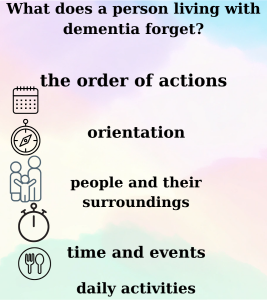
Figure 1: The figure shows which areas of life are affected by forgetting
TIME AND EVENTS
They do not know what day it is, whether it is morning or evening, which year, month, or season it is, or what happened recently. Recent events quickly disappear. They do not understand what event is coming next, who will visit, when dinner will be, etc.
This uncertainty about time often shows up as anxiety and irritability. For the family, this is difficult because the same events must be explained again and again, reminding them what just happened and what will happen next.
Example: they ask several times when their grandchild will arrive, even though you talked about it a few minutes ago.
DISRUPTION OF THE SLEEP–WAKE CYCLE
The disruption of the sleep–wake cycle often begins slowly. At first, they are not sleepy at the usual time in the evening, lie awake for a long time, turn from side to side, and get up several times. At dawn, however, they wake up very early and cannot fall back asleep. During the day, they are tired and fall asleep in the armchair.
Later, being awake at night becomes more frequent. They may get dressed at night, believe it is morning, make breakfast, or start tidying up. During the day, they sleep for longer periods, nap in the afternoon, and in the evening become fully alert.
Later, day and night become completely mixed up. They walk around at night, open doors, and want to talk, while during the day, it is hard to keep them awake. They do not understand why it is dark or why they should sleep when, in their mind, it is 8 a.m.
You can read more about wandering here. Wandering and the Urge to Move: Causes and the Impact on Families
DAILY ACTIVITIES
Forgetting also affects basic activities. A person living with dementia does not remember whether they have eaten, what they ate, whether they took their medication, or whether they have already showered. They do not remember what they have done and what they have not done, so without guidance and help, they do not know what needs to be done or what was left out. Because of this, they need constant assistance.
For example, they forget they already had lunch and want to eat again, or they skip a meal because they think they have just finished breakfast.
THE ORDER OF FAMILIAR ACTIONS
A person living with dementia has difficulty following the steps of more complex tasks, such as dressing or washing. The order of actions becomes mixed up, so even the simplest tasks become difficult or impossible. They get stuck, become confused, and do not understand why something that used to be automatic no longer works.
For example, they put one arm into a coat sleeve, then stop because they forget what movement comes next and how to put on the coat.
AN EXHAUSTING TASK
Forgetting is extremely exhausting for those who live with a person with dementia. The same things must be said again and again. What will happen today? Where are we going? Who was here earlier? Have you eaten already?
These questions are repeated every few minutes, often in exactly the same words. The family member answers, reassures, and explains, and a few minutes later, it all starts again. And this goes on all day, for months and years.
The constant repetition wears down the nerves. It is tiring to keep answering, paying attention, and reacting, while there is no real “result” from the explanation. It is easy to become exhausted, lose patience, and feel frustrated.
Many family caregivers feel there is no stop, no break, because they must repeat something again and again and again. Constant repetition and explaining, over the long term, leads to serious emotional fatigue and, very quickly, to burnout.
THE EFFECT OF FORGETTING ON DAILY ROUTINE
The forgetting of a person with dementia completely reshapes the everyday life of the caregiving family member. The day can no longer be planned as before, because at any time there can be a blockage, a question, or a crisis situation.
You must constantly monitor: have they eaten, have they taken their medication, did they locked the door? These are not one-time tasks, but ongoing checks that stay in your mind even when you are doing something else.
At night, the person gets up, asks questions, starts going somewhere, or does not know where they are. Because of this, the caregiving family member is sleep-deprived and tired, yet the next day must manage again. Personal needs and rest gradually move into the background, while the problems and burdens of caregiving continue to increase.
This article is a key chapter in our comprehensive guide: Understanding – Dementia in practice. Building a strong foundation of knowledge is the first step toward compassionate care. Explore the full guide to gain a deeper perspective on the biological changes and early signs of the condition.
Important Disclaimer
The information and advice presented on this website and in this article are for informational purposes only. They do not constitute a medical diagnosis or individual therapeutic recommendations. The operator/author of the website assumes no liability for any direct or indirect damages, health issues, or misunderstandings resulting from the use of this information. Everyone applies the described methods at their own risk. Please consult your physician before making any lifestyle changes or applying any complementary therapies.
About the Author
Suzanne Sandwiese – Dementia Caregiver, Mental Health Assistant
I have more than 12 years of practical experience in caring for elderly people and patients living with dementia. My goal is to translate knowledge about dementia into understandable, practical advice that can be applied in daily life, thereby helping families live together with the disease. As the author of several professional books and the founder of a popular Facebook page, my mission is to provide clear and, above all, usable guidance to all those who care for loved ones living with dementia.
Looking for practical, hands-on guidance for caring for a loved one with dementia at home? This comprehensive guide offers real-world advice and strategies to help you navigate everyday caregiving with confidence.
Struggling with stress-free bathing, hair washing, or nail care for a person with dementia? Discover practical, empathetic techniques to turn daily hygiene routines into calm and dignified experiences.
Managing incontinence in dementia care can feel overwhelming, but the right approach makes all the difference. Learn practical, experience-based steps to maintain dignity, comfort, and routine at home.
Agitation and aggressive behaviors in dementia are often cries for help rather than intentional actions. Discover practical, practical-proven techniques to de-escalate difficult situations and create a peaceful environment.
Apathy, anxiety, and mood changes are among the hardest non-verbal symptoms of dementia to navigate. This practical guide helps you understand these emotional challenges and offers actionable steps to support your loved one.