Introducing ourselves again and again, not arguing, and not forcing memory recall. Acceptance and looking at old photos together can also be helpful.
One of the most distressing symptoms of dementia is when a person living with dementia does not recognize their own family members. This usually does not appear suddenly, but develops gradually. As memory loss worsens, forgetting becomes more frequent and affects more and more areas of life. At this point, the person with dementia may no longer recognize their loved ones and close relatives.
This article explains which areas are affected by memory loss, why forgetting faces and relationships can occur, and how this impacts the family emotionally. We also help you understand how to accept it when your loved one does not recognize you, and what you can do if a person with dementia sees you as a stranger.
Memory loss is the most well-known symptom of dementia
One of the most common and earliest symptoms of dementia is memory loss. At first, it may seem harmless: forgotten names, misplaced objects, or a missed appointment. Over time, however, memory loss becomes more severe. The person with dementia does not only forget minor or less important things, but also significant, life-defining events. A person living with dementia gradually loses their connection to time and place – and unfortunately, in many cases, to the people closest to them as well.
What does a person with dementia forget?
Memory loss affects several areas at the same time.
• TIME: they do not know what day, month, year, or season it is
• DAY–NIGHT: they mix up day and night (for example, wanting to sleep in the morning, or thinking it is daytime during the night)
• THEIR OWN HOME: they do not remember where they are, may not recognize their own home, or cannot find the toilet or their bed inside the home. They do not know where the tap is or where they can drink.
• ENVIRONMENT: They get lost even in places they used to know well. For example, they do not know how to get home or look for the shop two streets away.
• RECENT CONVERSATIONS, EVENTS: they forget recent events, conversations, and promises. Because of this, they ask the same questions again and again. They forget that they have already asked and that they have already received an answer.
As the disease progresses, memory loss no longer affects only the “recent past.” Orientation in time and space becomes increasingly impaired, as does the “organization of memories.” A person with dementia may mix up life periods: they may believe they are still working even though they have been retired for decades, or think their children are still young when they are already adults.
When the person does not recognize their family members
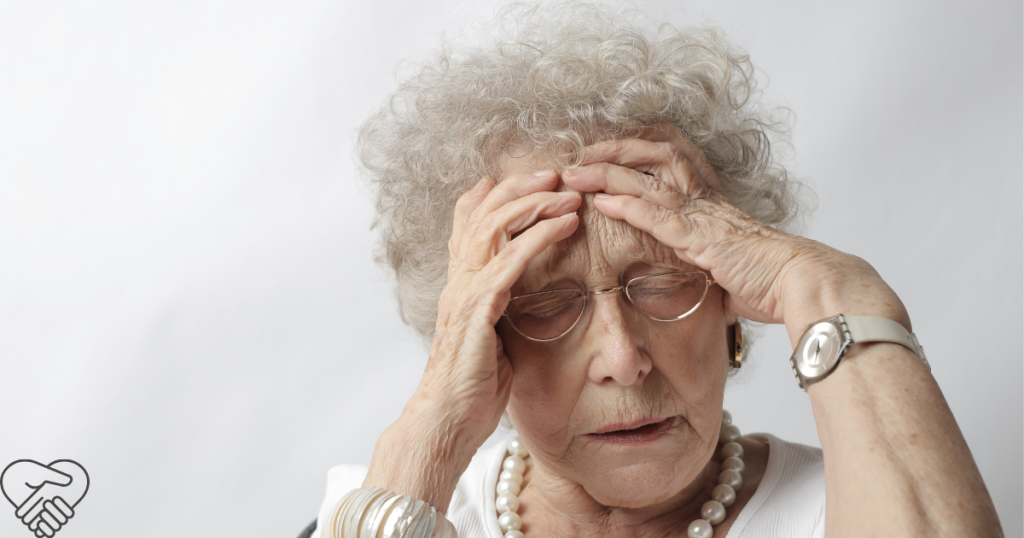
One of the most distressing symptoms is when a person with dementia does not recognize their own family members. This is especially painful for relatives, as it can feel as if the shared past, love, and years lived together no longer matter, as if they have “disappeared.”
It may happen that:
• the person recognizes the face but does not know who it is,
• they confuse family members (for example, mistaking their daughter for their sister),
• they feel that the people closest to them are strangers,
• They believe their spouse is “someone else.”
Often, this is not complete forgetting but partial recognition: the person with dementia feels that the other person is important to them but cannot explain why.
Why does this happen?
During dementia, the areas of the brain responsible for memory recall, face recognition, and emotional connections are also damaged. Long-term memories often last longer than recent ones, but over time, these can also be affected.
This is why it may happen that:
• the person remembers an old army companion but not the caregiver who has been visiting for three years,
• They recall childhood stories accurately but do not know whether they have already eaten lunch.
What can we do if the person does not recognize us?
Although memory loss cannot be reversed, the relationship can still exist on a different level and in a different way.
1. Introduce yourself kindly and calmly
Do not expect them to “figure out” who you are. Instead, help them remember. Say it out loud:
“Hi, I’m Anna, your daughter. I came to spend some time with you.”
2. Do not argue about reality
If they see us as strangers, do not keep insisting on who we are. Arguing only creates anxiety, mistrust, and resistance. It is better to let them believe we are someone else seen through their reality.
3. Use nonverbal signals
Our voice, smile, and movements are often more familiar than our face.
4. Support recognition with visual cues
Photos and images showing shared memories can help.
You can learn more about how to communicate with a person with dementia here: How to Communicate with Someone Living with Dementia – Dementia in practice
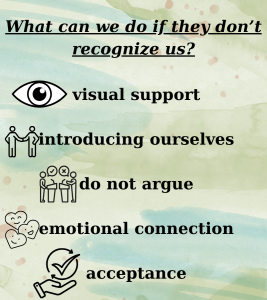
Figure 1: What can we do if our loved one with dementia does not recognize us?
How does this affect the family?
It is painful when a mother does not recognize her child, or when a spouse looks at the person they shared a lifetime with as a stranger.
Common feelings among relatives due to “not being recognized” include:
• sadness,
• helplessness,
• anger,
• guilt (“I must be doing something wrong”).
It is important to emphasize that these feelings are natural
When a person with dementia does not recognize us, it hurts instinctively. It is easy to feel offended, take it personally, or think, “I am no longer important.” It is worth saying it out loud and becoming aware: this is not about us. The relationship has not lost its value; the love between us has not disappeared – this is how the disease (dementia) works.
Dementia takes away memories, mixes up faces, and blurs time and relationships. The person does not choose this, does not decide, and does not “reject” us. They are simply no longer able to recognize someone they once did.
Acceptance is not giving up. It is a decision not to fight something we cannot change. There will be days when they recognize us and call us by name. And there will be days when they look at us as a stranger. Both are part of dementia.
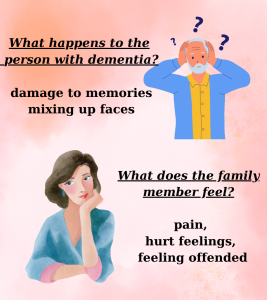
Figure 2: The infographic shows what happens in the mind of a person living with dementia and what the family member experiences.
What we can do is be there, introduce ourselves again, and not expect the person to be the “same” as before. If we accept that this illness is not directed against us, we can be present with less pain and more understanding. This brings relief for both of us.
Small daily victories lead to long-term peace. This post is part of our Daily Care & Safety-Practical Guides for Dementia Caregivers – Dementia in practiceresource center, where we share creative techniques for hygiene, medication, and creating a secure home environment. Discover more practical guides to make your daily routine smoother.
Important Disclaimer
The information and advice presented on this website and in this article are for informational purposes only. They do not constitute a medical diagnosis or individual therapeutic recommendations. The operator/author of the website assumes no liability for any direct or indirect damages, health issues, or misunderstandings resulting from the use of this information. Everyone applies the described methods at their own risk. Please consult your physician before making any lifestyle changes or applying any complementary therapies.
About the Author
Suzanne Sandwiese – Dementia Caregiver, Mental Health Assistant
I have more than 12 years of practical experience in caring for elderly people and patients living with dementia. My goal is to translate knowledge about dementia into understandable, practical advice that can be applied in daily life, thereby helping families live together with the disease. As the author of several professional books and the founder of a popular Facebook page, my mission is to provide clear and, above all, usable guidance to all those who care for loved ones living with dementia. About – Dementia in practice
Looking for practical, hands-on guidance for caring for a loved one with dementia at home? This comprehensive guide offers real-world advice and strategies to help you navigate everyday caregiving with confidence.
Struggling with stress-free bathing, hair washing, or nail care for a person with dementia? Discover practical, empathetic techniques to turn daily hygiene routines into calm and dignified experiences.
Managing incontinence in dementia care can feel overwhelming, but the right approach makes all the difference. Learn practical, experience-based steps to maintain dignity, comfort, and routine at home.
Agitation and aggressive behaviors in dementia are often cries for help rather than intentional actions. Discover practical, practical-proven techniques to de-escalate difficult situations and create a peaceful environment.
Apathy, anxiety, and mood changes are among the hardest non-verbal symptoms of dementia to navigate. This practical guide helps you understand these emotional challenges and offers actionable steps to support your loved one.