
You probably know the situation: your loved one, who was previously well-groomed and clean, suddenly and categorically refuses to wash. In these moments, it’s not just the feeling of helplessness that is hard, but also experiencing the arguments that often escalate into shouting or tears.
In this article, we explain the possible reasons behind refusing to wash. We will cover what not to say or do during caregiving. We detail what you need to do in practice to be able to wash the patient and how to encourage them to bathe. How your loved one with dementia can feel safe while bathing, how to communicate with them, what to prepare, and what things you can use to distract them. Additionally, you can find out when it is best to schedule the bath and what the principle of gradualness means.
A common problem: they don’t want to bathe
Usually, a dementia patient’s lack of grooming and refusal to bathe is a “taboo” topic; few people speak honestly about it, even though almost everyone who cares for a dementia patient encounters it. The person living with dementia is afraid of the water, doesn’t want to undress, doesn’t want to bathe, and resists all our attempts regarding hygiene—they don’t even want to hear about washing.
Why don’t they want to wash? What is wrong, what are they afraid of?
Many relatives stand confused by the situation: “But they showered every day of their lives, what happened?” The answer lies in the physical damage to the brain. Dementia does not simply cause forgetfulness; it also causes personality changes and a complete reorganization of perception.
As dementia progresses, the brain is no longer able to properly interpret environmental stimuli. What is a refreshing shower to us is a harsh attack, incomprehensible, and embarrassing harassment to a dementia patient. It is important to find out why they don’t want to wash, because that gives us a better chance of finding a solution to the problem.
- Fear: Fear of water, shampoo, the shower, the hairdryer, or falling. The sound and “feel” of the shower terrifies them; they have no idea what it is or what is happening. They fear the entire washing process.
- Changes in heat perception: What is pleasantly warm to us may be scalding hot or ice cold to them. Not only those with dementia, but elderly people in general have thinning skin that becomes more sensitive, and heat sensation is more intense through thin skin.
- Shyness: Often, simple shyness is behind it. The patient does not want to undress in front of another person.
- Spatial perception disorder: White tiles, white tubs, and white toilets “run together.” They cannot see the edge of the tub and fear stepping into “the depths.”
- The patient often thinks they have already bathed. Because short-term memory is damaged, they are convinced they stepped out of the bathroom five minutes ago; therefore, they feel your request (to bathe) is harassment or meaningless coercion.
- Often, they simply forget the process of bathing: they don’t know how to undress or what the order is, and this uncertainty breeds fear, then resistance. They would rather not do it because they don’t know what to do or how to start.

Figure 1: Let’s understand the patient’s fears: the tub may seem like a scary obstacle, and they may also fear the sound of water.
What NOT to say or do!
- Arguing: the worst thing we can do is start arguing or fighting.
- Humiliation: “But Mom, you smell!” – This sentence only results in hurt feelings and withdrawal.
- Don’t ask: “Are you going to bathe?” The answer is “No” 90% of the time.
- Coercion
Practical solutions
1. Preparing the environment
- Prepare everything so the process is quick and smooth; you shouldn’t have to run out for something because we lose time (we must be fast so the patient doesn’t change their mind). Plus, it is a safety hazard (never leave an elderly patient alone in the tub, under the shower, or in the bathroom!).
- Prepare: 2 towels (for lower and upper body), soap, shower gel, body lotion, sponges, clean clothes, robe, slippers, diaper, bag for the soiled diaper, laundry basket for discarded clothes, talcum powder, anti-fungal cream.
- Warm up the room: No one likes to undress in the cold, and elderly people are particularly sensitive to the cold.
- Color contrast: Place a dark-colored towel on the white bathroom chair; if possible, the non-slip mat at the bottom of the tub should also be colored. This way, they will see where to sit or step.
- Mirrors and glass: It’s worth covering the mirror because most dementia patients are frightened by their own reflection (many don’t recognize themselves and think a stranger is staring at them in the bathroom).
- Safety: Grab bars, non-slip mats (inside the shower and in front of the tub), bath chair, shower chair, plastic pitcher for pouring water (if they fear the shower). Always help them in and out of the tub or shower. A shower is safer, and it’s easier for a patient to step into a shower than a tub. If there is no way to remodel the bathroom, there is still the option to have a door installed in the side of the tub so the patient can enter more easily.
- “Allowing independence”: 2-3 sponges (for lower/upper body, plus give them one too). Encourage them to wash independently as well.
2. Communication
- Commentate everything: Narrate every process immediately before doing it! For example: “Now we are taking off your clothes.” “Now we are stepping into the tub.” “Now we are washing your face.” This is very important! Don’t think it’s unnecessary because they “don’t understand anything anymore.” Don’t treat them like an object. Tell them everything, as this helps them understand what is happening and makes them less afraid of bathing. Explaining what will happen increases the patient’s sense of security and the “trust factor.”
- Short, simple instructions: Communicate in short, simple sentences. For example: “Lean down!” “Lift your arm!” A dementia patient only understands simple, fluff-free communication.
- Kindly: Say these short, simple sentences kindly, NOT strictly, harshly, or commandingly!
Read more about communication: How to Communicate with Someone Living with Dementia – Dementia in practice
3. Timing
Observe your loved one’s “golden hours”! Every patient has a period when they are most cooperative. For most, this is in the morning hours.
Practical examples for timing:
- The morning ritual: If your mother was always an early riser, try hygiene right after the morning coffee or tea. You might say: “Mom, let’s get refreshed quickly, and then you can comfortably read the paper / watch your favorite show.”
- Avoiding the “afternoon trap”: If you see that around 4 PM, your loved one starts pacing or constantly asking when they are going home, do not even mention bathing at that time. By then, their brain is “saturated,” and they will react with aggression to any request (like undressing or the “touch of water”).
- Flexibility between days: If you see your loved one woke up grumpy after a hard night, don’t stick to the “Tuesday is bath day” rule. Push the washing to the next day, or settle for a quick wipe-down.
- Record for 3 days which part of the day your loved one is calmest. This will be your “winning time” for bathing. If you adjust to this, the number of conflicts can significantly decrease.
4. The principle of gradualness
- Washing: If they don’t want to stand under the shower or get into the tub, don’t force it. Accept that today will just be a sponge wash.
- Step by step: Don’t start immediately with “get in the tub!” and start taking off their clothes; instead, gradually get your loved one used to the water, the situation, and the washing. First, just ask them to check the water temperature. If their hand is already under the water, wash their hands. Then their arm can come next. You can try further: “Your face is a bit messy, shall I wash it, okay?” Then wash their face too. Afterward, say: “I brought a soft, warm T-shirt. Try it on!” Once the shirt is off, say: “I’ll give you a little wipe down.” This way, you can wash their upper body. If they allow it and are in a better mood, don’t stop at a wipe-down; you can try a full bath.
- Towel method: Cover the patient’s body with a large, warm towel and only reach with the sponge where you are currently washing. This way, the person with dementia does not feel vulnerable or naked.
- Wet wipes: There are days when no matter what we say or do, they won’t bathe or wash. In these cases, store-bought wet wipes will do. Hygiene is important, but peace is even more important.
- Hair washing: Many people fear this the most. If hair washing is the main enemy, separate it from bathing. Don’t try to do everything at once.
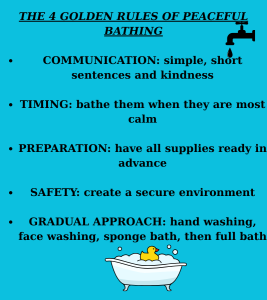
Figure 2: Practical steps for conflict-free hygiene.
Distraction
Distraction can be one of the most powerful weapons in your hands. The goal is to “switch” the patient’s brain from fear to something positive or neutral. If they aren’t concentrating on the bath, their body will be less tense.
1. The “Help me!” method
A dementia patient often feels like everyone is telling them what to do, which breeds resistance. If you ask for their help, they can feel important.
For example: “Dad, could you help me check if this water is warm enough?” As soon as he reaches for the water, praise him, and you can already start washing his hands. During the “work,” you can invisibly transition into washing.
2. Hum their favorite song
The part of the brain that processes music remains intact even in the late stages of dementia. Start humming to yourself. If the patient’s brain concentrates on the lyrics and the melody rather than the fact that their shirt is being taken off, they will calm down.
3. The “Something delicious is waiting for you.”
Sweets or a favorite drink can be a huge motivation. It mustn’t seem like “bribery,” but rather a pleasant event after the bath.
For example: Show them a slice of cake or a glass of nice syrup. “Look, Mom, I’ve put the cream cake here. Let’s get refreshed quickly, put on clean clothes, and then we’ll eat it comfortably in the living room, okay?” During the bath, you can also talk about the taste of the cake or the recipe, so their attention stays on the treat.
4. Put something in their hand!
A dementia patient often flails or clings because they are uncertain.
For example: Put a dry towel or a sponge in their hand. Say: “Please hold this for me for a moment so it doesn’t get wet.” While they are clutching the towel, you can wash other parts of their body more freely.
5. Recalling old memories (Storytelling)
Long-term memory often works great. If you start asking them to tell stories about the past, the patient “reaches a safe harbor” and forgets their current anxiety.
For example: While washing their back, ask something you know the answer to: “How was that big trip to the lake?” As they start telling the story, their movements relax, and they will resist washing less.
Read more about forgetfulness here: FORGETTING – Dementia in practice
What to do if the patient becomes aggressive?
If your loved one starts pushing you, shouting, or crying, stop immediately.
- Step back: Protect yourself by keeping your distance.
- Say: “I see this isn’t a good time. We don’t have to do it now; we’ll come back to it later.”
- Try again gently in 15 minutes: After fifteen minutes, with a different approach, they might cooperate easily.
The most important things:
- Realize: It is the disease speaking, not malice.
- A sense of security (a warm bathroom, a stable chair) is a basic requirement.
- Flexibility is essential: if today only allows for a quick wipe-down, that is also a victory.
- Let them be independent. Value every tiny independent effort (even if it’s just a crumb)! Praise them for it!
- In dementia care and nursing, it is essential to forget our old expectations! Not everything will work as it did before our relative became ill. If we change our expectations, it will be much easier to accept our loved one’s condition as well.
Important Disclaimer
The information and advice presented on this website and in this article are for informational purposes only. They do not constitute a medical diagnosis or individual therapeutic recommendations. The operator/author of the website assumes no liability for any direct or indirect damages, health issues, or misunderstandings resulting from the use of this information. Everyone applies the described methods at their own risk. Please consult your physician before making any lifestyle changes or applying any complementary therapies.
About the Author
Suzanne Sandwiese – Dementia Caregiver, Mental Health Assistant
I have more than 12 years of practical experience in caring for elderly people and patients living with dementia. My goal is to translate knowledge about dementia into understandable, practical advice that can be applied in daily life, thereby helping families live together with the disease.
As the author of several professional books My books – Dementia in practiceand the founder of a popular Facebook page, my mission is to provide clear and, above all, usable guidance to all those who care for loved ones living with dementia.