
This article is about how you can wash the hair of a family member living with dementia at home. Washing hair is often not a simple task, but a struggle, and in most cases, it doesn’t even succeed. A person with dementia is afraid of water, noise, and unknown sensations. They don’t understand what is happening to them, so they resist, feel afraid, and become anxious. And you might not know how to wash your hair properly.
This article will guide you through the entire process step-by-step. It shows you what to prepare (tools and environment), what to say during the process, how to reduce fear, and when it is better to choose another solution. You will receive specific tips to try that will help you manage to wash your loved one’s hair.
Fears
Due to dementia, the patient is often afraid. Even of things that were natural before. They fear the unknown. They fear what they don’t understand. They worry because they don’t know what will happen. It is not because they are “stubborn.” They are afraid because they don’t understand the situation. Their memory fails, and their thinking is slow. The fear is real. Even if the reason seems “groundless.” To them, at that given moment, their fear is alive, genuine, and real.
Many people with dementia are very afraid of hair washing because:
- The water is loud. It gushes and roars from the tap.
- The water splashes on their face.
- The shampoo might sting their eyes.
- They have to tilt their head back.
- They feel the water is too cold or too hot.
- They don’t understand why this needs to be done; they don’t understand what is happening.
Preparation is the Most Important
Hair washing doesn’t start with turning on the tap, but much earlier. If you are rushing, nervous, or tired, the patient will feel it. If everything isn’t at hand and you are searching for things, time passes, and the patient’s patience runs out. Therefore, always prepare everything first.
What to prepare?
- Shampoo.
- 2–3 soft towels (for wiping the face, for the hair, and for the shoulders).
- A small cup or pitcher for rinsing.
- A hairbrush or comb.
- If necessary, a waterproof sheet for the shoulders.
- Clean clothes for the end.
- A wash mitt or sponge.
- If available: dry shampoo as a backup solution.
Preparing the environment
- Make sure the room is warm.
- Ensure there are no drafts.
- Close the door so no one can enter unexpectedly.
- Shower chair or bath chair: If possible, do not wash the hair of a person with dementia while they are standing. The risk of losing balance, dizziness, and falling is huge.
Creating Safety
- Handrails: Make sure there is a fixed handrail nearby that the patient can grip. This provides security: if there is something to hold onto, they will be less afraid.
Never leave them alone
- Do not leave the patient alone in the tub or chair for even a second. The movements of people with dementia are unpredictable; they may suddenly stand up or slip.
Fall prevention
- Wipe up splashed water: Have a cloth handy to immediately soak up any water on the floor so that you don’t slip during the hair washing, either.
Excessive tilting
- Avoid tilting the neck back too far: In elderly patients, excessive tilting of the head can cause dizziness due to calcification of the neck vessels. It is better to tilt the head slightly forward.
The shampoo
- Put the shampoo away: When you are finished with the hair washing, put the shampoo out of sight. People with dementia sometimes try to taste or drink the contents of colorful, fragrant bottles.
How to Start?
- Say it simply: “We are going to wash your hair now.”
You don’t need a long introduction, and you don’t need to tell them far in advance, as that will only make them excited, and they will either keep asking questions or become even more afraid. It is enough to speak just before entering the bathroom. It is more important to comment on every movement and action.
- For example: “I am pouring a little water on your hair now.” “I am putting shampoo on your hair now.” This way, they will know what is going to happen in the next minute.
Do not explain at length. Use short, simple sentences. Look them in the eye. Speak in a calm voice. Read more about communication: NON-VERBAL COMMUNICATION IN DEMENTIA CARE – Dementia in practice
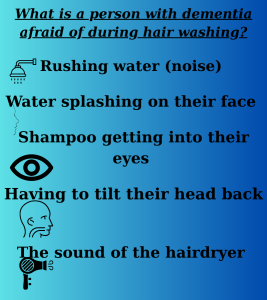
Figure 1: The figure shows what a person with dementia is afraid of when we wash their hair.
Pouring instead of showering
Do not start with the shower head. Instead, slowly pour water from a pitcher onto the hair. People with dementia are very afraid of the shower because it is a strong, loud, and incomprehensible stimulus for them.
Shampooing
Use “tear-free” baby shampoo that doesn’t sting, and encourage them meanwhile: “Almost done.” During hair washing, always wipe their face and eyes. Don’t leave water on them, because people with dementia are afraid of that too.
Drying the hair
The hairdryer is loud. Many people with dementia are afraid of it. Rather, let their hair dry naturally in a warm room.
- Warm towel instead of a hairdryer: The humming of the hairdryer is unbearable for many. If possible, dry the hair with a soft towel. Put the towel on the radiator before use so it is pleasantly warm.
Gradualness
Start without water: First, just comb their hair so they get used to the touch. Then, wipe the hair with a warm, wet sponge or wash mitt. After that, try the hair washing.
Distract their attention
Conversation: Tell them about something or someone they love. Put a small soft towel in their hand. They can squeeze this during hair washing, and it also keeps their hands busy. They can also wipe their eyes with this small towel if water gets in.
Alternatives
If they are very afraid of water, here are some hair washing alternatives that work without water.
- Foam shampoo: Recommended for waterless hair washing. Very recommended if you absolutely cannot wash your loved one’s hair or if they are bedridden.
- Hair washing cap: This also provides waterless hair washing if you cannot manage with wet washing.
- Dry shampoo
What is Most Important
- Stay calm.
- Talk continuously. Say what you are doing.
- Praise them at the end: “You were clever, you did very well!”
Example:
The patient does not want to wash their hair and is afraid of water.
- Solution:
- Start by combing their hair while talking to them.
- Moisten a sponge and say: “I’ll just wipe your hair a bit to make it fresher.”
- If this works, proceed further with the hair washing.
What to do if it doesn’t work?
If the hair washing doesn’t work, don’t force it. Stop. Take a break. Say this: “We are resting a bit now.” Try again later, but not in the evening. By evening, the person with dementia is more tired and confused. Restlessness is more common. Rather, try in the morning when they are fresher.
If they resist, ask for help. Is there someone they listen to more? A favorite grandchild, a caregiver? It happens that they obey a stranger better. If they become aggressive, stop immediately. Safety comes first. Do not argue with them.
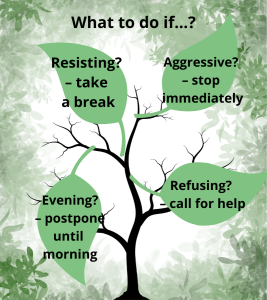
Figure 2: What to do if hair washing doesn’t work? In the figure, you can see what to do if your loved one with dementia resists, doesn’t want it, or becomes aggressive during hair washing.
Hygiene is important, but difficult with dementia
Hygiene is very important. Clean hair prevents skin problems, itching, and infections. It also contributes to well-being. A clean, well-groomed person feels better in their skin. However, in the case of dementia, cleaning is often difficult. The patient does not understand why hair needs to be washed. They are dismissive because they fear the water, the hairdryer, and the shampoo. It happens that they think someone wants to hurt them. Because of this, they resist, cry, or become angry. Hair washing seems like a small thing, but it is very difficult with a person with dementia. If you think ahead and prepare, you can prevent conflicts and manage to wash your loved one’s hair.
Read more about bathing: What to do if a person with dementia refuses to bathe? – Practical Solutions – Dementia in Practice
Important Disclaimer
The information and advice presented on this website and in this article are for informational purposes only. They do not constitute a medical diagnosis or individual therapeutic recommendations. The operator/author of the website assumes no liability for any direct or indirect damages, health issues, or misunderstandings resulting from the use of this information. Everyone applies the described methods at their own risk. Please consult your physician before making any lifestyle changes or applying any complementary therapies.
About the Author
Suzanne Sandwiese – Dementia Caregiver, Mental Health Assistant
I have more than 12 years of practical experience in caring for elderly people and patients living with dementia. My goal is to translate knowledge about dementia into understandable, practical advice that can be applied in daily life, thereby helping families live together with the disease.
As the author of several professional books My books – Dementia in practice and the founder of a popular Facebook page, my mission is to provide clear and, above all, usable guidance to all those who care for loved ones living with dementia.