This article explains in plain language how light therapy can support the sleep, mood, and behavior of a loved one with dementia. You will learn how artificial light affects the body’s internal clock, how it can help ease sleep disturbances, and how it contributes to calmer behavior. The article covers the latest research and provides practical advice for use at home.
Light therapy (also known as phototherapy) is receiving increasing attention in the fields of health preservation and as a complementary treatment for various conditions. This method is based on the use of artificial light and is a completely painless procedure. While many people primarily know it in connection with mood disorders or skin problems, recent research suggests it can also be beneficial for someone with dementia.
What is Light Therapy?
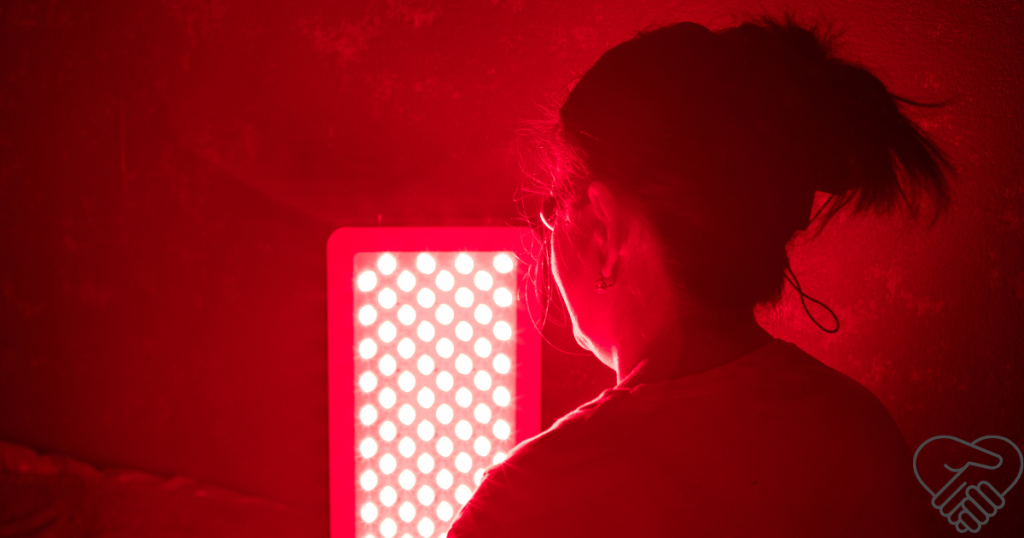
During light therapy, your loved one is exposed to light from a special lamp that emits a spectrum similar to natural sunlight. This light affects the body’s internal clock, the so-called circadian rhythm, which regulates sleep, wakefulness, and hormonal processes.
Modern lifestyles and a lack of sunlight can easily disrupt this balance. The goal of light therapy is to restore it.
What are the Benefits?
One of the greatest advantages of light therapy is its simplicity and naturalness. It is a non-drug solution, yet it has a noticeable effect on mood and behavior.
Benefits in brief:
- Natural mechanism – it supports the body’s own processes
- Fast results – improvement can be seen in as little as a few weeks
- Easy to use – it can be applied at home
- Highly compatible – it can be used alongside other treatments
Why is This Important in Case of Dementia?
Those living with dementia often struggle with sleep disorders, confusion, and mood swings. These can be partly linked to a disrupted circadian rhythm.
Sleep Disorders in Dementia
A loved one with dementia often faces serious sleep problems. They may wake up several times at night and be unable to fall back asleep. Many get up at these times and wander aimlessly through the house. This is very difficult for the family, relatives, and caregivers because they cannot sleep either due to the wandering. Lack of sleep can also increase fatigue and confusion during the day.
Confusion
One of the most characteristic symptoms of dementia is confusion, which becomes more frequent over time. Someone with dementia often does not know exactly where they are or what time of day it is. They frequently fail to recognize their surroundings or even close relatives. This state causes anxiety, uncertainty, and irritability. Confusion often intensifies in the evening or at night.
Mood Swings
The mood of someone with dementia often changes rapidly and extremely. One moment they are calm, the next they become irritable or even aggressive. It is also common for apathy and lack of interest to alternate with restlessness. These changes are often unpredictable and difficult for those around them to handle; it is also hard for families to adapt to the constantly changing mood and behavior of their loved one with dementia. Mood swings significantly worsen the quality of life not only for the person but also for those close to them.
Disruption of the Circadian Rhythm
The circadian rhythm is the body’s natural daily cycle that regulates daytime activity and nighttime rest. In dementia, this rhythm is often disrupted. Your loved one may confuse day and night, becoming active at night and drowsy during the day. This further worsens sleep disorders and confusion.
Consequences of a disrupted circadian rhythm:
- Confusing day and night
- Nighttime activity, daytime sleeping
- Increasing confusion and anxiety
- Unpredictable behavior
Proper light exposure helps to partially restore this rhythm.
How Does Light Therapy Help Organize Sleep?
Light therapy (phototherapy) uses artificial light similar to sunlight, which reaches the brain through the eyes and directly affects the areas regulating the sleep-wake cycle. As a result, it can help “retune” the biological clock, improve sleep quality, increase daytime alertness, and support the production of serotonin, which contributes to a better mood. It can also reduce evening restlessness. Treatment usually takes 20–30 minutes a day, most often applied in the morning hours.
What Does the Research Show?
In a small study, those living with dementia received regular light treatment over several weeks. The results showed that their memory improved, their thinking performance strengthened, and their behavior became more balanced. Although further, larger-scale research is still needed, the results so far are encouraging, especially regarding sleep quality and mood improvement.
Who Can It Be Particularly Useful For?
Light therapy is specifically recommended:
- In the case of a loved one with dementia
- For sleep disorders
- For the elderly who spend little time outside and therefore receive little sunlight
- In case of mood swings
- In case of general restlessness and fatigue
Important: Please consult a doctor before starting light therapy treatment!
Home Application – Practical Advice
Light therapy can be relatively easily integrated into daily activities, which is especially important for someone with dementia, as predictable, repetitive daily habits provide them with a sense of security. The best effect is usually achieved if the treatment is applied at the same time every day, preferably in the morning hours.
A common and well-working solution, for example, is for your loved one to sit near the light therapy lamp during breakfast. This way, they don’t have to experience it as a separate “treatment”; it simply becomes part of the daily routine. The same can work while watching television or having a conversation.
In the case of someone with dementia, comfort and naturalness are particularly important. It is worth placing the lamp so that the light is in the field of vision but is not distracting or unpleasant. For instance, on a table, facing the person or turned slightly to the side, can be ideal.
It can also be helpful if the caregiving relative establishes morning habits: waking up, hygiene, breakfast, then light therapy. This helps the body “learn” when it is daytime, which can improve nighttime sleep in the long run.
If your loved one tends to fall asleep during the day, morning light treatment helps increase alertness, thereby reducing the amount of daytime sleep. This is important because too much daytime sleep often ruins nighttime rest.
In the evening, however, strong light should be avoided as it can interfere with falling asleep.
During home application, gradualness is also essential: if your loved one is initially reluctant to use the lamp, it should be used for a shorter period, then the duration can be gradually increased. However, consistency is key, as the effect usually develops over a few weeks.
Overall, light therapy works most effectively at home when it does not appear as a separate task but is naturally integrated into the daily rhythm.
What to look out for:
- Color temperature: White or slightly bluish light
- Placement: They don’t need to look directly into it; it is enough if it is in their field of vision
Quieter Nights, More Balanced Days
Improving the sleep of a loved one with dementia not only helps with nighttime rest but can also bring noticeable positive changes in behavior, mood, and general well-being during the day. Light therapy can contribute to restoring the disrupted daily rhythm, thereby improving sleep quality while also reducing confusion and restlessness. As a result, your loved one can become more balanced, making daily life easier for them and their caregivers alike. Although light therapy does not replace medical treatment, it is a gentle, natural, and effective supplementary solution for improving sleep.
Small daily victories lead to long-term peace. This post is part of our Daily Care & Safety-Practical Guides for Dementia Caregivers – Dementia in practiceresource center, where we share creative techniques for hygiene, medication, and creating a secure home environment. Discover more practical guides to make your daily routine smoother.
Important Disclaimer
The information and advice presented on this website and in this article are for informational purposes only. They do not constitute a medical diagnosis or individual therapeutic recommendations. The operator/author of the website assumes no liability for any direct or indirect damages, health issues, or misunderstandings resulting from the use of this information. Everyone applies the described methods at their own risk. Please consult your physician before making any lifestyle changes or applying any complementary therapies.
About the Author
Suzanne Sandwiese – Dementia Caregiver, Mental Health Assistant
I have more than 12 years of practical experience in caring for elderly people and patients living with dementia. My goal is to translate knowledge about dementia into understandable, practical advice that can be applied in daily life, thereby helping families live together with the disease. As the author of several professional books and the founder of a popular Facebook page, my mission is to provide clear and, above all, usable guidance to all those who care for loved ones living with dementia.