
In this blog post, we will look at anxiety, depression, and Sundown Syndrome. We will go over the symptoms, causes, and the steps you can take if your loved one is depressed, afraid, or anxious. We will also focus specifically on Sundown Syndrome, its causes, and how to manage it.
Dementia is a progressive disease of the brain that most people first associate with memory loss and a decline in thinking. However, an equally significant but often harder-to-manage part of the condition is the change in emotions and behavior. As the areas of the brain responsible for processing and regulating emotions become damaged, the emotional reactions of a person living with dementia also change.
These changes cover a wide range and cause serious challenges for caregivers and the family. It is important to know that these symptoms are caused by the illness and are not intentional.
Rapid Mood Swings and Emotional Instability
Dementia makes it harder to regulate emotions, leading to rapid mood swings that may seem groundless. Someone with dementia may feel happy, sad, angry, or frustrated from one moment to the next. This emotional instability makes behavior unpredictable: a tiny inconvenience can trigger intense anger, or a small source of joy can result in excessive happiness.
Anxiety
Anxiety in dementia: why does it appear, what are the signs, and how can we help?
In addition to memory problems, people living with dementia often experience emotional and behavioral changes. One of the most common among these is anxiety.
What does anxiety mean?
Basically, anxiety is the body’s natural reaction to a threat or uncertainty. It helps us prepare for dangerous situations, so to some extent, it is a completely normal phenomenon.
In dementia, however, the situation is more complicated. Your loved one often does not understand exactly what is happening around them and may forget where they are or who is with them. This uncertainty easily triggers fear and restlessness, even when there is no real danger.
Why does anxiety develop in dementia?
Those living with dementia may be more prone to anxiety for several reasons:
- They find it harder to interpret the events happening around them
- They often lose their sense of security
- Due to forgetting, they cannot recall what is happening to them
- The disruption of the usual daily routine can cause stress
Signs of anxiety in a loved one with dementia
Emotional signs
The mood of someone with dementia can change easily. Common symptoms include:
- constant worrying
- restlessness
- unjustified fear
- irritability
- increased sensitivity or taking things to heart
- distrust of others
- seeing the future pessimistically
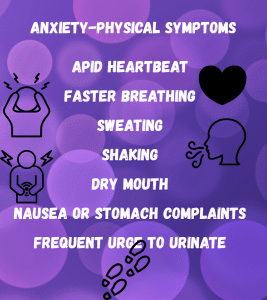
Physical symptoms
- rapid heartbeat
- faster breathing
- sweating
- shaking
- dry mouth
- nausea or stomach complaints
- frequent urge to urinate
Behavioral changes
The behavior of an anxious loved one may also change. For example:
- pacing up and down in the house
- restlessly moving their hands or legs
- talking less
- their voice becoming quieter or more uncertain
- avoiding people or certain situations
- increased wandering
What to do in case of wandering and the urge to walk? – Dementia in practice
CREATING SAFETY AND PREVENTING ACCIDENTS IN DEMENTIA – Dementia in practice
What can we do to reduce anxiety?
For a person living with dementia, even small changes can often help them feel calmer.
A routine
A predictable daily schedule provides security. If your loved one eats, rests, or goes for a walk at a similar time every day, they will feel less uncertain and therefore won’t feel as much fear or anxiety.
Exercise
Regular physical activity is good not only for the body but also for the soul. A short walk, light exercises, or simple housework can reduce tension.
Reducing caffeine
Caffeine (such as coffee or strong tea) can increase restlessness.
If the anxiety is very strong, occurs frequently, or seriously affects the daily life of a family member with dementia, it is worth consulting a doctor.
Depression
Dementia affects not only memory but often mood as well. Many family members first notice that their loved one with dementia is sadder, more withdrawn, or loses interest in things they used to love. Depression and dementia often appear together, and it is sometimes hard to tell which one is in the background.
The symptoms of dementia and depression often look very similar. Memory and concentration problems, lack of motivation, loss of interest, or avoidance of social contact can occur in both conditions. Because of this, recognizing depression in a person living with dementia is not always simple.
It is important to know that there can be a link between the two conditions. Experiencing depression earlier in life may increase the chance of developing dementia later; at the same time, depression can also appear as an early sign of dementia.
Signs of depression in dementia
Depression can show itself in several ways. It can cause changes not only in mood but also in behavior, thinking, and physical symptoms.
Emotional symptoms
- feeling sad
- not finding joy in anything
- becoming indifferent
- feeling hopeless
- crying easily, being irritable
- having no desire to do anything
Behavioral symptoms
- moving less
- lying down or sitting a lot
- speaking and moving more slowly
- often sitting or walking with a stoop
Physical symptoms
Depression can also affect how the body functions. Common complaints include:
- constant fatigue
- sleep disturbances
- headaches
- digestive problems
- weight loss or weight gain
How is depression treated in dementia?
Medical treatment
In cases of severe or recurring depression, the doctor may prescribe antidepressant medication. These act on the neurotransmitters in the brain and help stabilize the mood.
The role of the environment
Support from the family and caregivers is extremely important. The following things can help a lot:
- a regular daily routine
- light physical activity
- doing activities together
- patient communication
- a calm environment
- preserving independence
- encouragement
- regular social contact
Sundown Syndrome: Why does the condition of many people worsen by evening, and what can be done?
Many families find that the behavior of a relative with dementia changes by the end of the day. Your loved one, who was previously calm, may become restless, nervous, or even aggressive. This phenomenon is called Sundown Syndrome.
What happens at this time?
The essence of Sundown Syndrome is that when it begins to get dark, someone with dementia often becomes more restless, irritable, and uncertain. Verbal aggression is also not uncommon.
This state can last from a few minutes to several hours and often continues late into the night.
What might be in the background?
According to experts, one of the most important causes of the phenomenon is the disruption of the biological rhythm. The functioning of the human body is guided by an internal “clock,” the so-called circadian rhythm, which regulates the cycle of sleep and wakefulness.
At sunset, natural hormonal changes begin in the body to prepare it for sleep. In dementia, however, these regulatory mechanisms are often damaged, making it harder for the body to react to the change in the time of day.
In addition, several factors can make the symptoms worse:
- changes in daily habits
- the departure of a caregiver or family member
- fatigue by the end of the day
- hunger or thirst
- a noisy environment
- fears caused by the darkness
- the exhaustion or tension of the caregiver or family member
Symptoms of Sundown Syndrome
Symptoms can vary from person to person, but the following are the most common:
- increased restlessness
- anxiety or fear
- irritability
- aggressive behavior
- suspicion, paranoia
- confusion
- aimless pacing or “wandering.”
- sleep disturbance
- shaking
- dizziness
- increased tension or excitement
Interestingly, symptoms are often stronger in winter or during the time of shorter days because it gets dark earlier.
What can be done to ease the symptoms?
1. A predictable routine
Regularity helps those living with dementia a lot. If the main activities (meals, walking, resting) happen at similar times every day, it gives a sense of security.
2. More light in the afternoon hours
Proper lighting in the home can reduce uncertainty. Many experts also suggest light therapy, which can help stabilize the internal biological rhythm.
3. A calm environment
It is worth reducing noise and distracting stimuli at the end of the day. The television or loud conversations can sometimes increase restlessness.
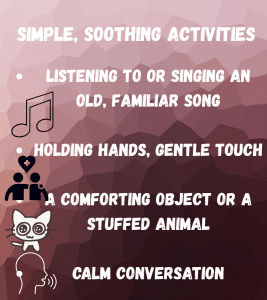
4. Simple, soothing activities
- listening to or singing an old, familiar song
- holding hands, gentle touch
- a comforting object or a stuffed animal
- calm conversation
5. Watching basic needs
It is important to check if your loved one:
- has eaten enough
- has drunk enough fluids
- is not too tired
When is it worth turning to a professional?
If the symptoms are very strong, for example:
- hallucinations appear
- severe paranoia develops
- Your loved one may be a danger to themselves or others
- , and their sleep is completely disrupted
, then you should definitely seek help from a neurologist or psychiatrist. In certain cases, medical treatment may be necessary.
The role of caregivers
Sundown Syndrome is taxing not only for someone with dementia but also for the caregiver. Constant attention and evening tension can easily lead to exhaustion. Therefore, family members need to ask for help, get some rest, and turn to support groups if needed.
A final thought for the heart
Caring for someone with dementia is perhaps one of the hardest emotional journeys a family member can take. When you see a lack of interest, a cold look, or a withdrawal from activities you once shared, it is natural to feel a deep sense of loss. You might even find yourself thinking that your loved one doesn’t love you anymore.
Please, remember: this is the dementia talking, not their heart. The illness acts like a screen or a heavy curtain between you. It may hide their reactions and muffle their words, but it cannot erase the bond you’ve built over a lifetime. Behind the symptoms, behind the confusion and the silence, the love and the connection are still there. Even when they can no longer express it, you remain the anchor in their world. You are doing an incredible job, and your presence is the greatest gift they have.
Important Disclaimer
The information and advice presented on this website and in this article are for informational purposes only. They do not constitute a medical diagnosis or individual therapeutic recommendations. The operator/author of the website assumes no liability for any direct or indirect damages, health issues, or misunderstandings resulting from the use of this information. Everyone applies the described methods at their own risk. Please consult your physician before making any lifestyle changes or applying any complementary therapies.
About the Author
Suzanne Sandwiese – Dementia Caregiver, Mental Health Assistant
I have more than 12 years of practical experience in caring for elderly people and patients living with dementia. My goal is to translate knowledge about dementia into understandable, practical advice that can be applied in daily life, thereby helping families live together with the disease. As the author of several professional books and the founder of a popular Facebook page, my mission is to provide clear and, above all, usable guidance to all those who care for loved ones living with dementia.