
About Me
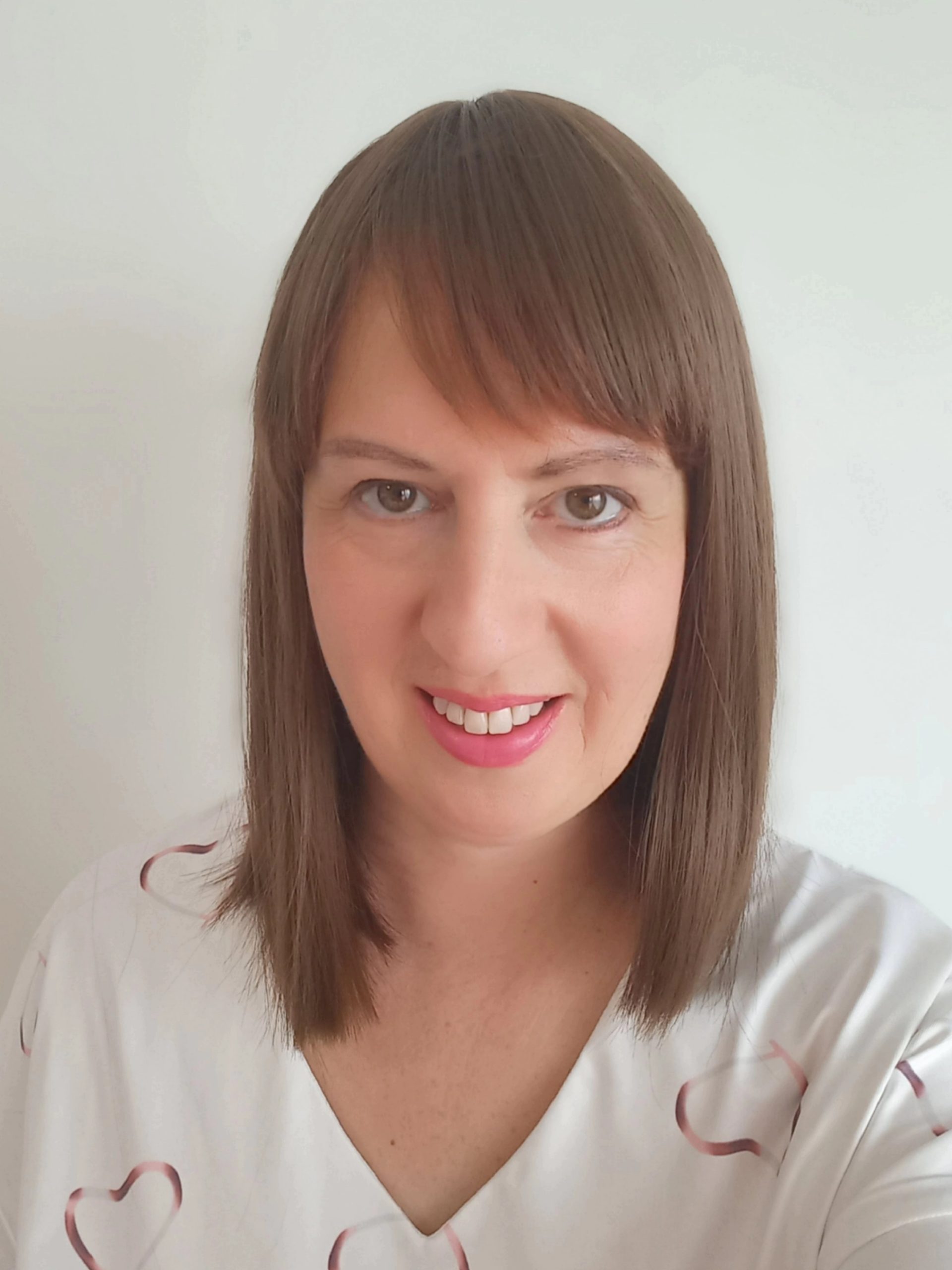
Find out why I’ve dedicated my life to dementia care, and how my personal experience can become a source of support for you.
Welcome!
My name is Suzanne. I am a qualified dementia caregiver, mental health assistant, and healthcare professional (nurse and medical assistant) with over 12 years of experience in various fields of elderly care. My journey has led me through residential care homes, home care services, and community support systems. Having worked day and night shifts, as well as providing live-in care, I have experienced every face of dementia firsthand.
Throughout my career, I have met countless people living with dementia and even more anxious, exhausted family members. I have seen how difficult it is to provide care without receiving real, practical guidance. Most of the available information is too theoretical, too complex, or simply doesn’t work in everyday life.
I have always looked for one thing: what works in practice? That is why I created this platform.
My goal is not to pass on theories, but to provide concrete, ready-to-use solutions that truly help:
What to do in difficult situations,
How to react to changes in behavior,
How to communicate in a way that helps a person with dementia feel calm,
How to navigate daily life together with a loved one with dementia.
What makes my work unique is this practical caregiver’s perspective. Every piece of advice I share comes from what I have learned “on the ground”—from real people in real situations.
I believe that supporting caregivers is just as important as caring for the patients themselves. If you are here, you are likely doing everything you can for your loved one. I am here to make sure you don’t have to do it alone, providing someone who can help with clarity, honesty, and practicality.
Connect with me for more helpful content:
- Facebook: [link]
- Pinterest: [link]
My Book: My book, “Dementia in Practice”, is also filled with practical solutions and experience-based advice on dementia care.
Why focus on practice? My Story
When I first encountered dementia, I’ll be honest: I had no idea what to do. I didn’t know how to handle the wandering, the sudden mood swings, and especially the aggression. At school, they taught us the theory, but no one prepared me for the reality—not one teacher and not a single textbook.
I remember standing there in everyday situations, just wondering: How should I behave? What can I say to avoid a huge argument? How do I calmly talk someone out of leaving the house when they are determined to go? I tried to find answers, reading everything I could, but all I found was dry theory. In real life, theory often counts for nothing.
That’s when I decided to take my own path and focus strictly on practice. For years, I watched and learned: what actually works, and what causes a negative reaction. I logged every single observation, success, and failure. This massive collection of experience became my real textbook.
I still use this knowledge today in caregiving, and this is exactly what I share in my books and articles. I don’t create theories; I provide practical tools for those who are standing there just as lost as I was when I started.
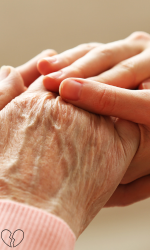
Caregiving is more than a job – it’s a calling.
I believe that the greatest purpose in life is helping others through real, tangible support. To “care” for someone is a beautiful thing: providing food, comfort, and patience when the world becomes confusing for them. But let’s be honest—it’s also incredibly difficult. It requires empathy and a level of calm that is hard to maintain.
My mission is to support families living with dementia and make their daily lives easier. I’ve walked this path, and I want to make sure you don’t have to struggle the way I did. I’m here to turn my experience into your strength.
What I Believe In
I believe there is a “key” to every person—we just have to find it
. I believe in the dignity of the person living with dementia.
I believe that every caregiver deserves a break and time to recharge.
I believe in the power of practical solutions over dry theory
.
I believe that dementia care requires immense creativity and adaptability.